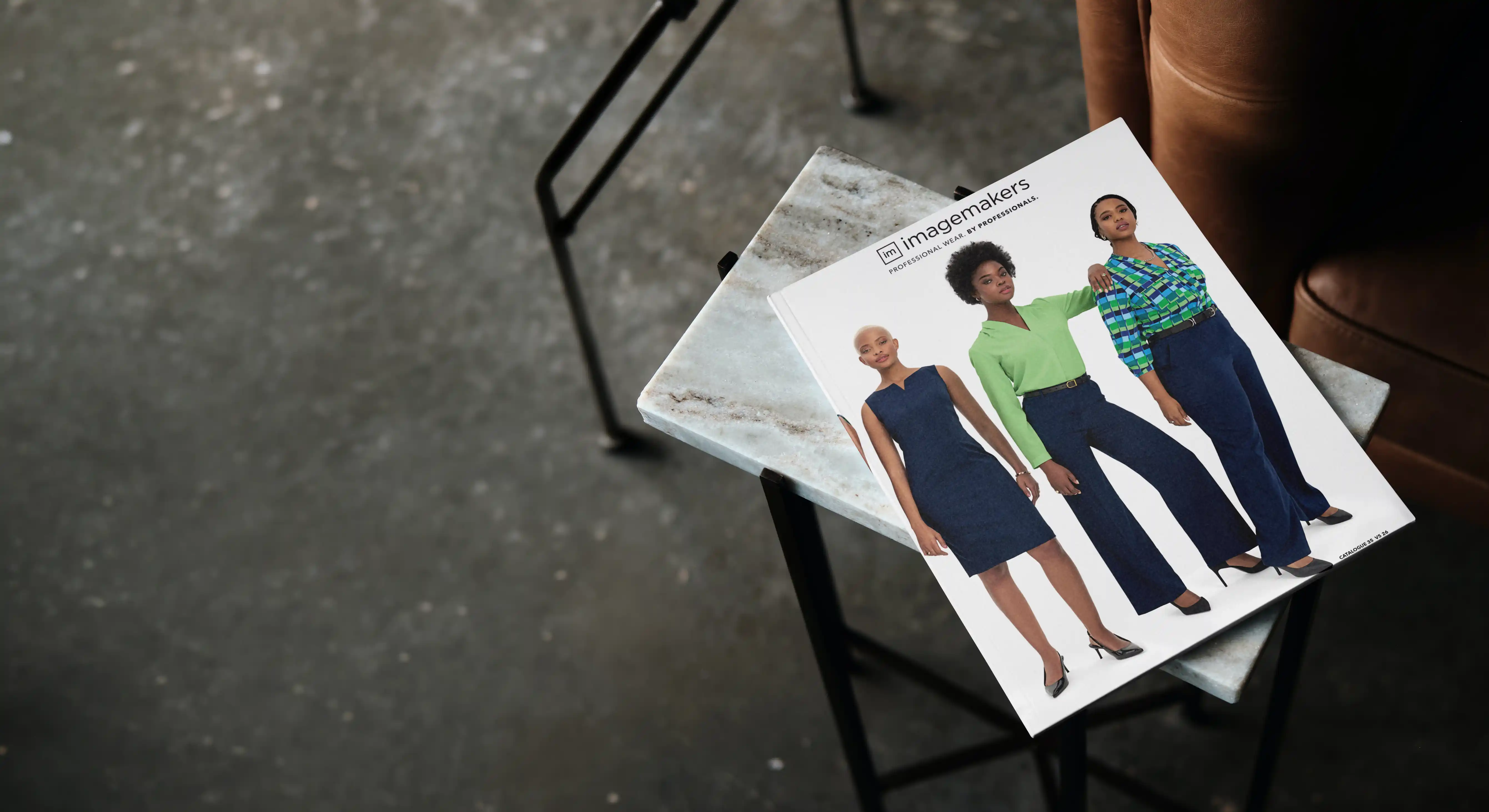


What is the difference between locally manufactured and imported clothing?
Imagine two South African clothing businesses, each turning over say R100 million a year. One manufactures garments locally (let's call this one 'the manufacturer'); the other imports ('the importer') finished clothing from overseas. Both employ South Africans in sales, finance, administration, warehousing and logistics. Both pay taxes and contribute to our economy. All good so far. So, what's the difference?
Well two big things immediately stand out: the manufacturer with the same turnover as the importer, employs substantially more local people and also develops specialist manufacturing skills in the community.
The manufacturer needs machinists, cutters, patternmakers, technicians, quality controllers and production managers. It may also support packaging suppliers, equipment specialists and other South African businesses. The importer creates valuable jobs too, but the work of making its finished garments happens overseas - which benefits the 'country of origin'. Be that China, India, Indonesia or wherever.
One thing to point out is that there is no universal jobs ratio between two R100 million businesses - their staffing requirements depend on their production models, their productivity and output and how much of their work is outsourced rather than handled in-house. However, one distinction remains: where the garments are actually manufactured determines where those production jobs and opportunities to develop specialist skills are created. And that's at the heart of our argument for supporting South African manufacturing.
How does buying locally manufactured clothing support South African jobs?
South Africa's unemployment challenge makes this debate particularly poignant - Statistics South Africa reported an official unemployment rate of 33.6% in the second quarter of 2026, representing approximately 8.5 million unemployed people. That's no secret, it's a painful reminder that we have a lot to do to bridge the huge gap between the wealthy and the poor.
The very first thing that needs to be addressed is of course a job, a sustainable job, as this helps a household pay for food, transport, housing and education. It also supports spending in local shops and businesses, with knock on benefits that can spread through the wider community and economy. Manufacturing alone won't solve poverty, crime or South Africa's infrastructure problems, but creating productive employment is an important part of the first response, as to is supporting it - simply put, choosing locally manufactured products, as long as they're competitive, helps create and sustain the demand for employment.
Can South Africa manufacture more of its own clothing?
We believe so, I mean we already have a substantial clothing manufacturing base in SA so growing it is really about creating a demand for locally made garments and educating the public that the quality is as good, if not better, than products made overseas through blogs like this - hopefully. Let's look at some statistics: In 2024, the Department of Trade, Industry and Competition reported that local clothing sourced by major retailers had increased by 51% over the period laid out by the industry's 'masterplan' - an initiative to drive more loyalty and growth. The department also reported more than 20,000 jobs created under this initiative. That's huge. Not just that but a Localisation Support Fund feasibility study identified the potential for another 81 million garments to be manufactured in South Africa each year by 2030, generating around R7.9 billion in additional annual manufacturing output and supporting up to 34,000 more manufacturing jobs!
Those are just projections, not jobs already created. But it's a big step in the right direction. Reaching these goals will require more than loyalty - it needs competitive pricing, investment, capacity and sustained customer demand. But the projected outcome shows why this conversation matters.
Where is corporate clothing manufactured in South Africa?
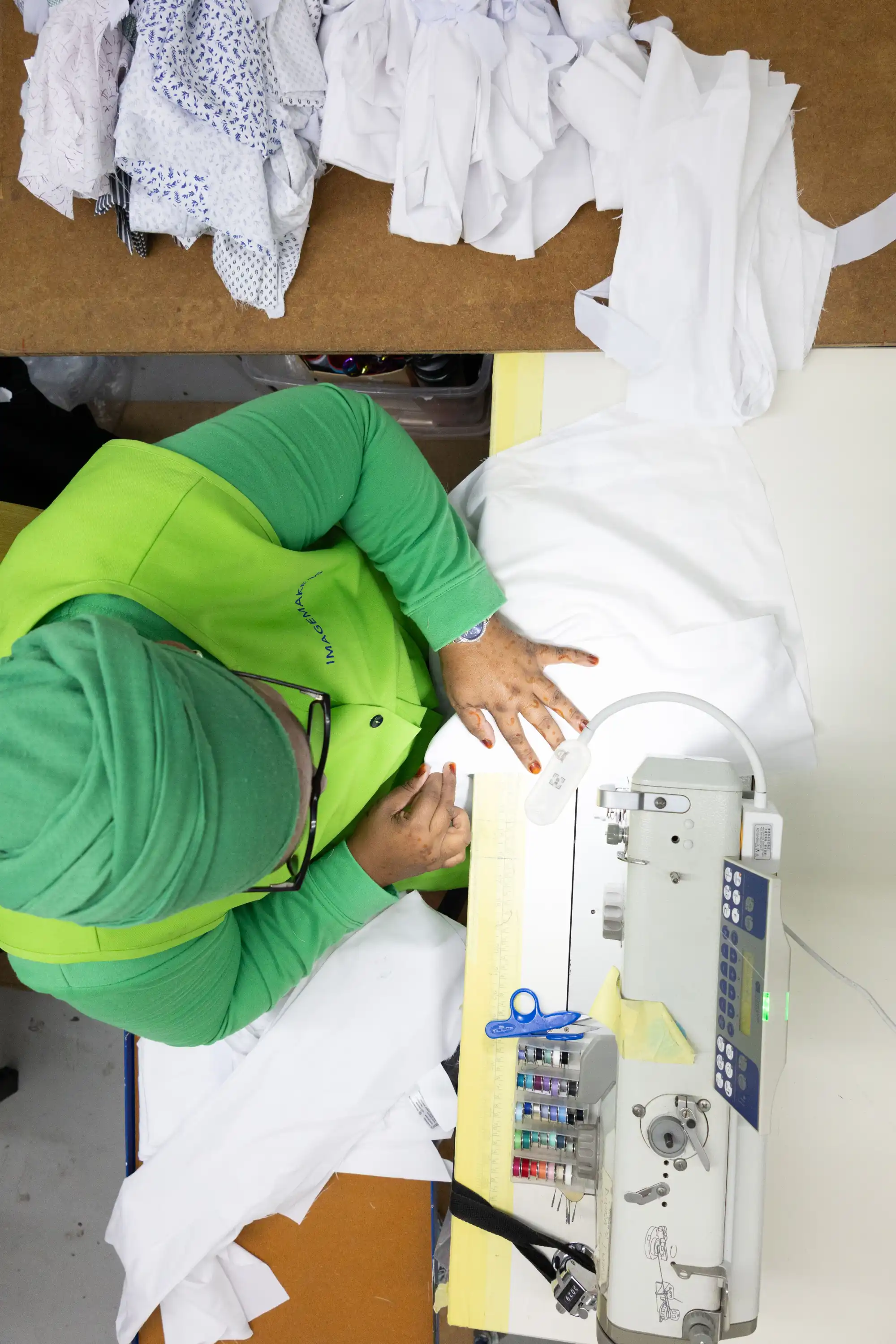
Cape Town and the Western Cape have established clothing manufacturing clusters, including our own Imagemakers main facility (and we have offices in Gauteng, Durban and across the country). Johannesburg and Gauteng bring substantial industrial, commercial and distribution capabilities and feature manufacturing concerns quite similar to our own - we're competitors, but thankfully we also all seem to operate within our own niche's. KwaZulu-Natal and other regions also contribute to the wider manufacturing supply chain with plenty of clothing manufacturers also based there. Whilst regional loyalty still exists, thankfully businesses realise that quality and supply continuity may mean buying from say Cape Town (in our case), so they’re not adverse to sourcing outside their own provinces – because, let's face it, a Johannesburg business buying garments manufactured in Cape Town is still supporting South African production! The same is true for customers in Durban, Pretoria and elsewhere.
At Imagemakers, we've been manufacturing corporate clothing for South African businesses since 1982. The experience, infrastructure and skills are all here; and our capacity is always growing - there really is no need to look outside of SA for quality professional wear at a great price.
Is locally manufactured clothing always more expensive?
Not necessarily. Imported garments - particularly 'fast fashion' - is cheaper due to large production volumes and economies of scale. But the cheapest unit price doesn't represent the best long-term value - we wrote an article specifically about this here - Fast Fashion's Biggest Lie? Cheap Clothes Save You Money (the clue is in the title).
When it comes to ordering for an entire workforce there is another big consideration that cheap imports and fast fashion struggle to compete on - continuity of supply. It not just about those garments lasting a few washes then fading or falling apart but imagine ordering clothing for 200 employees and then another 5 join? Can the supplier provide matching colours and styles? How quickly can replacements arrive? What if sizes need changing?
For HR and procurement teams, reliable replenishment, consistent quality, practical lead times and responsive service all have a considerable commercial value. Depending on the supplier, local manufacturing can make these requirements far easier to manage. So really, the right comparison is between the full costs and benefits of both options (local vs imported), not simply two figures on an invoice.
Does buying local mean we should stop importing?
Absolutely not. Someone responding to our recent LinkedIn article made a perfectly fair observation: 'Don't you buy imported fabric too? lol.' And they're right. We do! Imagemakers manufactures garments in Cape Town, but we also source specialised fabrics internationally in order to meet a quality requirement. 'Locally manufactured' doesn't mean every component must originate in South Africa, competition often means collaboration.
Imported fabrics, machinery and technology can help local manufacturers like ourselves make better products and remain competitive. Imports also support South African jobs in retail, distribution and logistics. Our point isn't that all imports are bad. It's that importing a finished garment vs importing fabric to manufacture a garment locally create different opportunities for South African production employment and skills - with the latter being more helpful and meaningful to the macro-economic picture.
Let face it - nobody should be expected to pay more for an inferior product simply because it's locally made. Absolutely not! Thankfully, we know that our garments are superior to the imported equivalent- and of course we love shouting about it.
Why does local clothing manufacturing matter for skills development?
A finished garment reflects years of accumulated expertise in patternmaking, fabric handling, cutting, stitching, fitting, production planning and quality control. These skills are learned, practised and passed on. That's why our training and social responsibility initiatives matters so much to us. Manufacturing can create opportunities to develop people as well as products. And as technology changes, South Africa needs those skills to evolve, not disappear.
What should businesses ask when choosing a corporate uniform supplier?
Price and quality come first, but they're not the only considerations. Where are the garments manufactured? Can the supplier maintain colours and styles over time? What are the replenishment lead times? How are fit and quality issues handled? Can the supplier support a growing team across multiple locations?
These questions help businesses compare suppliers of uniforms on long-term value rather than the initial quotation alone.
Is buying locally manufactured clothing better for South Africa?
Our argument is simple: why choose imported finished garments when locally manufactured alternatives offer comparable or better quality, service and value? When price is the deciding factor, it's well worth considering the bigger picture. An apparent saving may also mean a missed opportunity to support South African manufacturing, employment and skills development. That doesn't make every import a poor choice, or every local product the right one. But keep hunting around for a locally made product and you'll be pleasantly surprised what you find.
After 44 years of manufacturing clothing for South African businesses, we remain optimistic about what this industry can achieve. The skills are here. The experience is here. And the opportunity is here.
The price on an invoice tells us what we're paying for, but it never tells us the full economic impact of what we've bought.
We'd love your view: when buying clothing for your business, does local manufacturing influence your decision, or does price ultimately win?