

Over the past few months, we've accidentally created what has now become our own little "Professional Wear Survival Series."
It certainly wasn't planned this way, but after writing about pesky everyday clothing problems we realised there was a common theme: helping busy professionals get more life (with the added bonus of freshness and nice odours) from the clothes in their wardrobe is actually quite a valuable thing!
If you've not read the first two articles, here they are in all their fresh summer breeze smelling glory:
• Can Vinegar Remove Clothing Odours? Here's What You Need to Know
• The R2 Hack That Could Save Your Shirt (and Your Day)
This latest article tackles another question we're often asked:
What's the safest way to remove wrinkles from a business suit without damaging the fabric?
It sounds simple, but the wrong method can permanently mark or even destroy expensive garments.
Before we get into steamers, irons and dry cleaning, there's one thing worth mentioning: The easiest wrinkles to remove are the ones that don't happen in the first place.
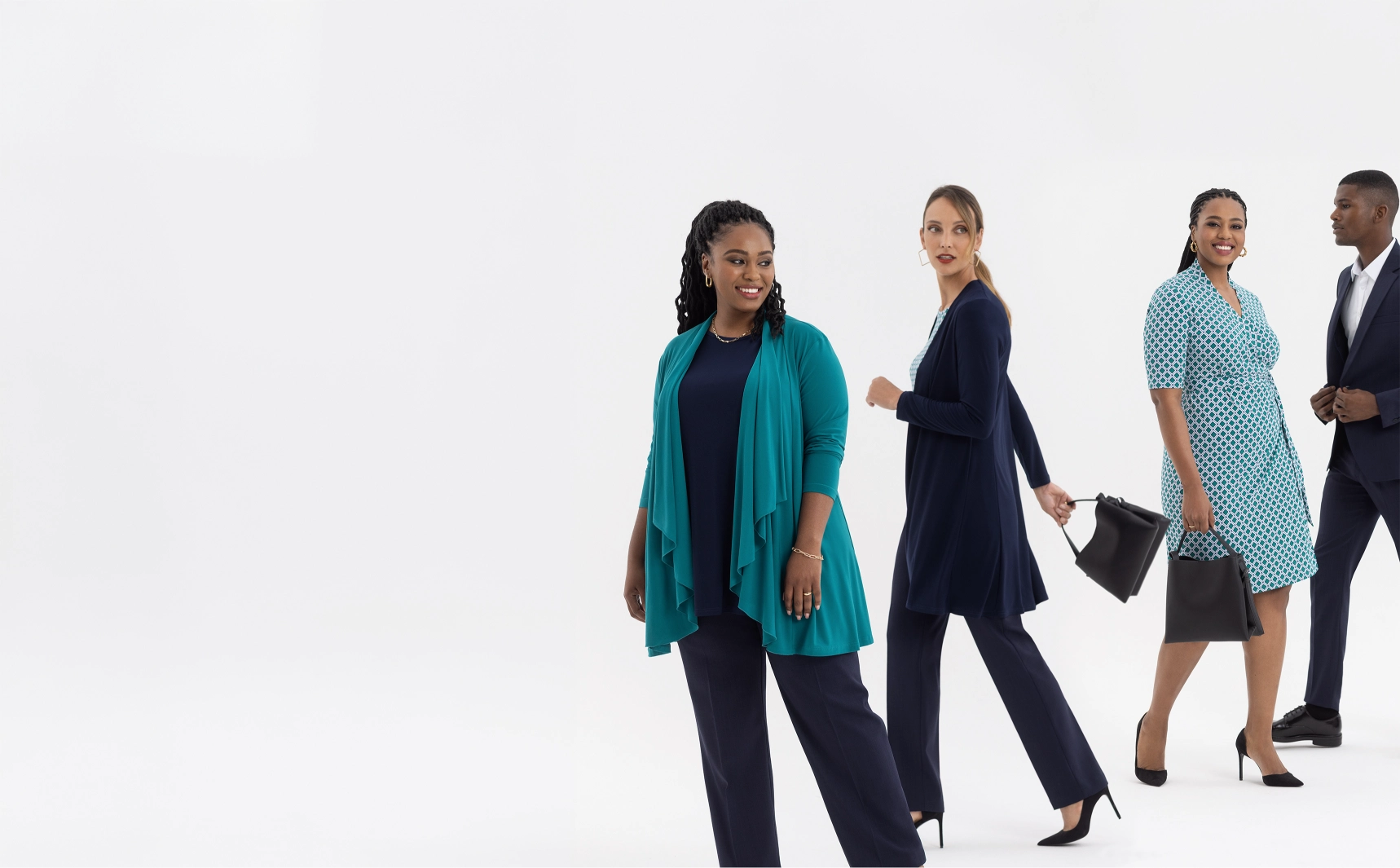
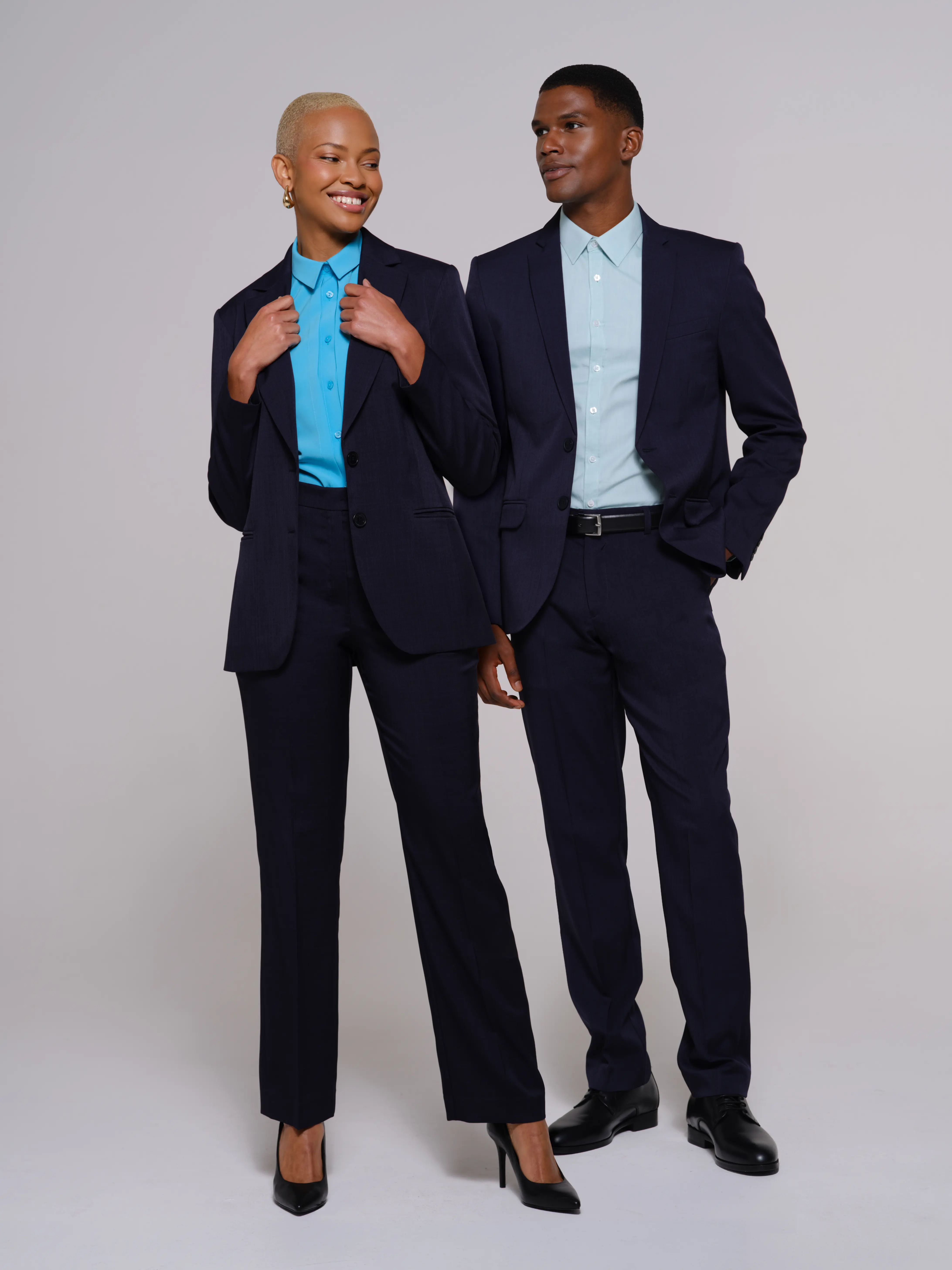
Whilst no fabric is completely wrinkle-proof (unless someone has invented one before this blog is published), choosing high-quality wrinkle-resistant corporate wear can dramatically reduce the amount of ironing, steaming and general faffing about you'll need to do. Take a look at a few examples of wrinkle resistant suits here. More on this later.
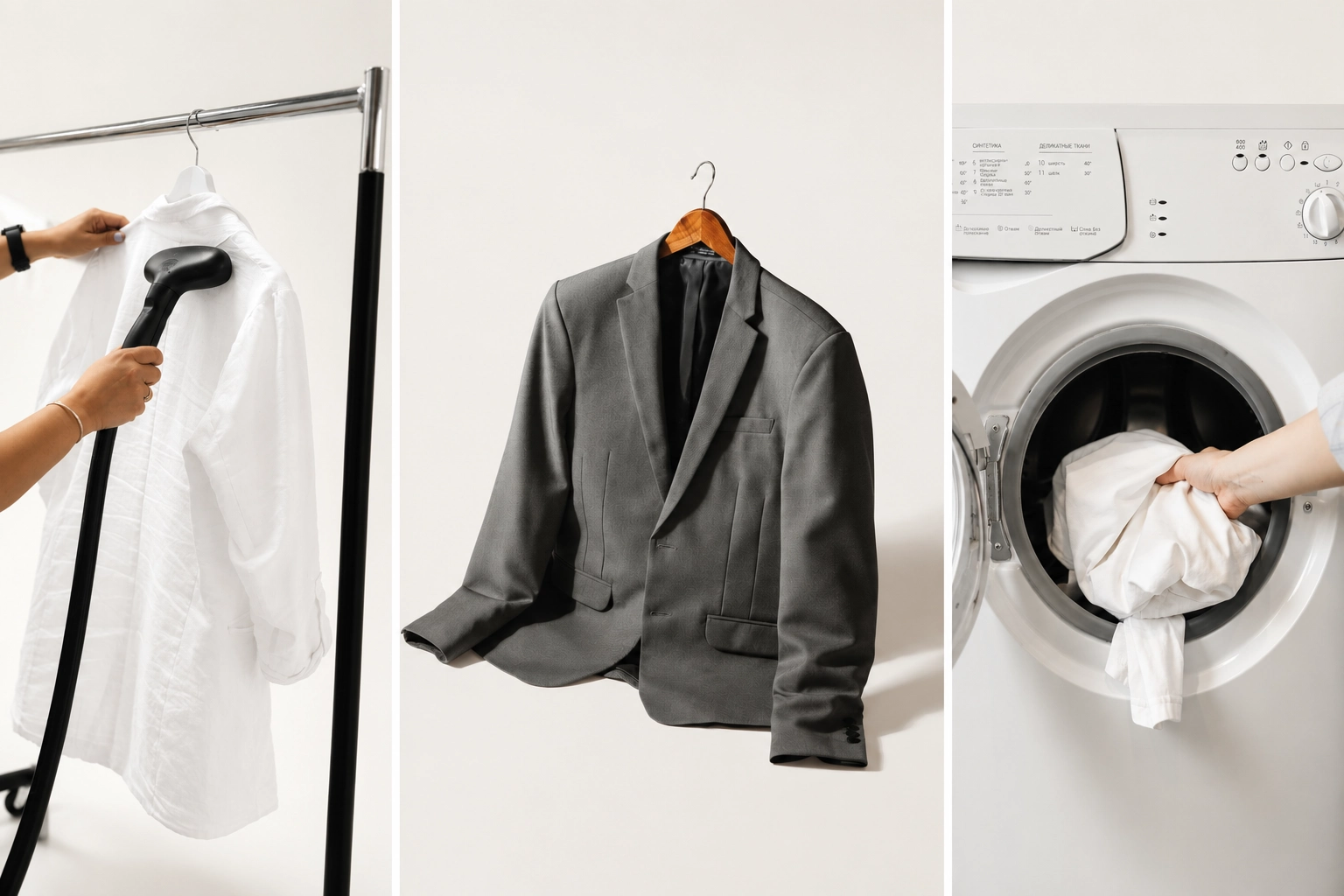
Is a Clothes Steamer Better Than an Iron?
For most business suits, the answer is a resounding yes.
Professional garment care specialists generally recommend steaming as the safest first option because… tada, steam relaxes the fibres instead of compressing them under direct heat. And in my post above, you'll know that I love steam - showers with steam, steam rooms, steam baths, steam trains.. basically, anything that softly 'hisses' that isn't a snake. But I digress…
According to the Woolmark Company, steaming is one of the safest methods for refreshing wool garments because it helps fibres recover their natural shape without the risk of shine or scorching.
Steamers are great for:
• Wool suits
• Blended fabrics
• Structured jackets
• Delicate blazers
• Everyday professional wear
Because - and here's the obvious part that I never really thought about before - the fabric never actually touches a hot metal plate! Therefore, the chances of accidental damage are almost zero. Personally, I have never damaged any of my corporate wear using steam - and it's also kind on the arms and shoulders, no elbow grease and hard labour needed.
It's not really a surprise to learn then that so many people now travel with little compact handheld steamers. How many? According to 'Dataintelo', the global travel garment steamer market is now worth around US$1.8 billion (2025) with projected annual growth of around 7-8%! And the key drivers… 'rising global travel volumes' and 'growing apparel awareness'. And realising of course that 'steam' is your new best friend.
My Favourite Travel Trick
Before portable steamers became the tomato sauce of essential travel, I spent many years on business trips in China. Hotel laundry services didn't exist and the cigarette smoke in hotel rooms was thicker and clingier than the smog outside.
One trick I quickly adopted was hanging my blouse and jacket in the bathroom while running a long, hot shower. I thought it was kind of magic, but now I know the science behind it - the steam actually relaxed the dozens of creases caused by prolonged sitting (DiDi cabs and boardrooms!) while helping lift those horrible odours from the fabric.
It wasn't perfect, but before an important meeting it often transformed a crumpled (and smoke infused) suit into something fresh and presentable.
Even today, if I arrive at a hotel without a steamer, it's still my go-to solution.
So, the question is:
If Steaming is so Great, When Should You Use an Iron?
Don’t get me wrong, an iron still has an important role. Cotton shirts and trousers generally benefit from the sharper finish (those lovely crisp lines) that ironing provides.
However, most clothing experts recommend caution when ironing tailored jackets, especially wool.
The Textile Care Allied Trades Association (TCATA) advises using a pressing cloth, selecting the correct temperature and avoiding prolonged direct heat on delicate fibres.
So, if you do iron a suit:
• Always use a *pressing cloth.
• Select the lowest suitable temperature.
• Keep the iron moving.
• Never press directly onto textured wool fabrics.
* A pressing cloth is simply a thin piece of clean fabric that you place between the iron and the garment when ironing.
Its purpose is to protect delicate fabrics from direct heat, preventing these common issues:
• Shiny marks (common on wool suits and dark fabrics)
• Scorching or burning
• Flattening the natural texture of the fabric
• Water spots from the iron
For business suits and uniforms, a pressing cloth is especially important because wool and wool-blend fabrics can develop a permanent glossy finish (now you know why) if an iron is applied directly.
Good pressing cloths include:
• A simple clean white cotton tea towel
• A cotton handkerchief
• A piece of muslin cloth
• A dedicated pressing cloth sold for ironing
People don't damage suits because they iron them - they damage them because they iron them too hot.
Does Dry Cleaning Remove Wrinkles?
Absolutely. But it shouldn't automatically be your first option.
The International Fabricare Institute has long advised that unnecessary dry cleaning exposes garments to additional cleaning cycles that may gradually shorten their lifespan, depending of course on the fabric and construction.
For most people, quality corporate clothing only needs professional dry cleaning every three to six months, provided it's brushed regularly, aired after wearing and spot-cleaned when necessary. But if you wear the same suit every day, more frequent dry cleaning may be appropriate, but only when it genuinely needs it.
Dry cleaning is ideal for:
• Heavy staining
• Oil-based contamination
• Seasonal storage
• Suits requiring a complete professional clean
For ordinary wrinkles after travelling or commuting, steaming is usually all that's needed.
So, let's get back to Steaming…
Can Steam Damage a Suit?
No! Used correctly, steam is remarkably gentle. Natural fibres - particularly wool - respond extremely well to steam because the little spray of warm moisture allows the fibres to relax before naturally returning to their original shape.
What to do after steaming? The Woolmark Company recommends allowing garments to simply hang for a while after steaming so the fibres cool and settle naturally.
A few simple rules make all the difference:
• Keep the steamer moving.
• Don't soak the fabric.
• Allow garments to cool while hanging.
• Use a quality hanger to maintain shape.
How Do Hotels Remove Wrinkles from Suits?
Many premium hotels use professional vertical garment steamers rather than traditional irons.
If one isn't available, my bathroom method still works surprisingly well!
Simply:
1. Hang your suit on a sturdy hanger.
2. Close the bathroom door.
3. Run a hot shower for around 10-15 minutes.
4. Leave the garment hanging afterwards until completely dry.
It won't replace a commercial steamer, but it can make a dramatic improvement before a meeting.
Why Wrinkle-Resistant Professional Wear Reduces the Need for Any Of This.
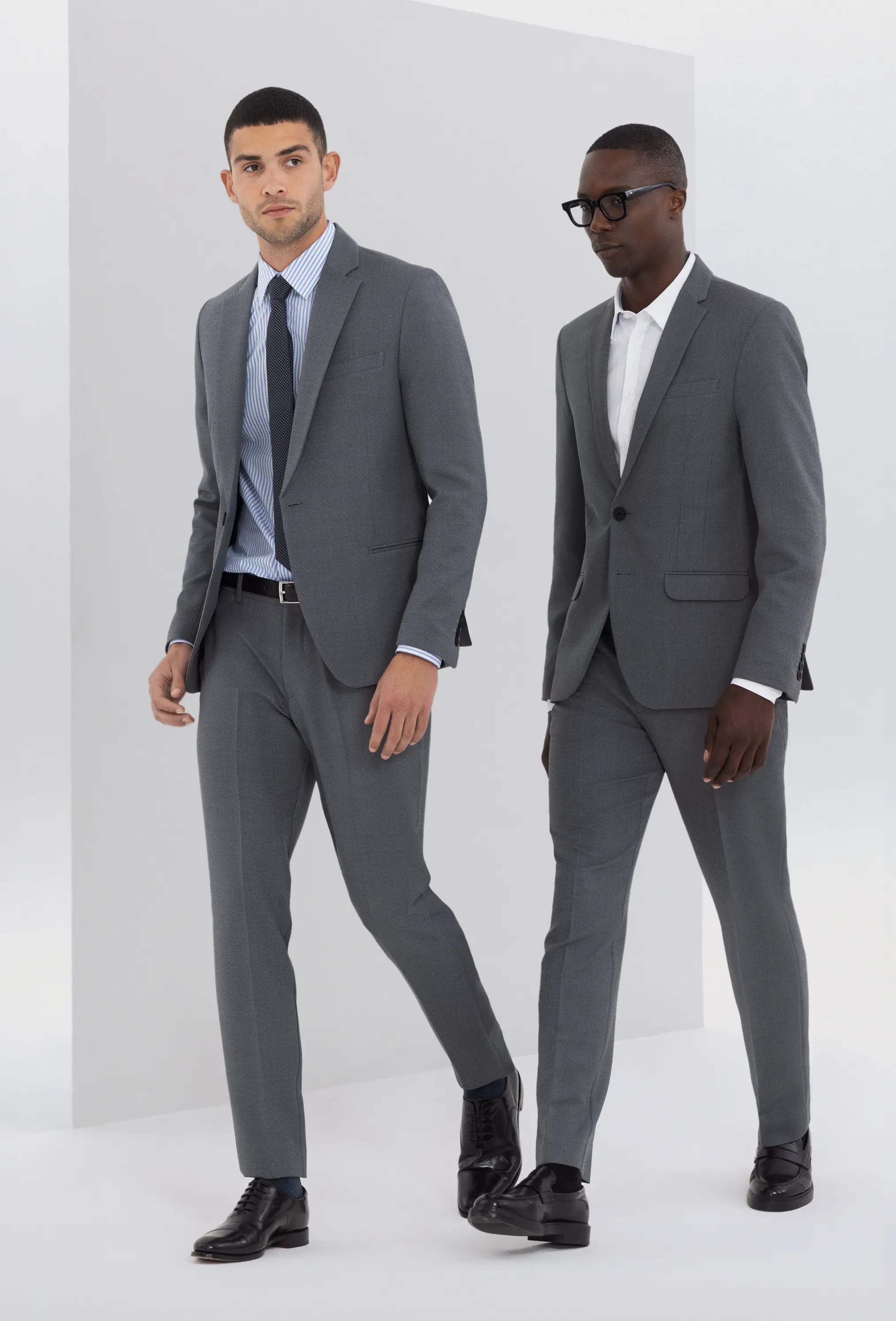
While no fabric is completely wrinkle-proof, choosing well-designed, wrinkle-resistant professional wear can significantly reduce the amount of ironing, steaming and general maintenance required throughout the working week.
During our recent interview with Imagemakers' Garment Technologist, Nicole Hapgood-Strickland, she explained that businesses should always "think of the end user - how will they be washing their clothes?" Not everyone has the time or budget to dry clean garments after every wear, which is why selecting fabrics that are practical to wash, recover well after creasing and are easy to care for makes such a difference. She designs them all with this in mind. Every suit at Imagemakers is ‘wrinkle-resistant’.
Nicole also reminded us that "garment care instructions need to be followed" and that every garment has a lifespan, making it important for businesses to invest in enough clothing for employees to rotate throughout the week. Combined with sensible care, wrinkle-resistant garments help employees maintain a smarter, more professional appearance while reducing wear and tear, extending garment life and lowering the overall cost of ownership.
As Nicole puts it, "Superior quality is more important than price. Investing in premium, durable corporate wear lowers the cost-per-wear."

Final Thoughts
Removing wrinkles isn't about choosing one method forever.
It's about choosing the right method for the right garment.
Better still, start with clothing that's designed to be easier to care for in the first place.
As our Garment Technologist, Nicole, reminded us, every garment has a lifespan, garment care instructions exist for a reason, and businesses should think about how employees will actually wash and care for their clothing in the real world.
So, we recommend:
Buy quality wrinkle resistant professional wear in the first place (less ironing and dry cleaning means a longer life).
If you have an existing suit or uniform that isn’t wrinkle resistant, we say:
• Steam first.
• Iron carefully when needed.
• Reserve dry cleaning for occasions when garments genuinely require it.
• Always follow the care label.
• Invest in quality, wrinkle-resistant professional wear that's designed to perform day after day.
These simple habits will help your suits and professional wear look smarter for longer, extend the life of your garments and protect your investment.
After all, looking professional isn't just about what you wear and how well you wear it, it's also about what you wear and how well you look after it.
References
• The Woolmark Company - Garment care guidance for wool apparel and steaming recommendations.
• Textile Care Allied Trades Association (TCATA) - Best practice advice on garment pressing and textile care.
• International Fabricare Institute (IFI) - Professional fabric care guidance on cleaning methods and garment longevity.
• Dataintelo - Travel garment steamer market