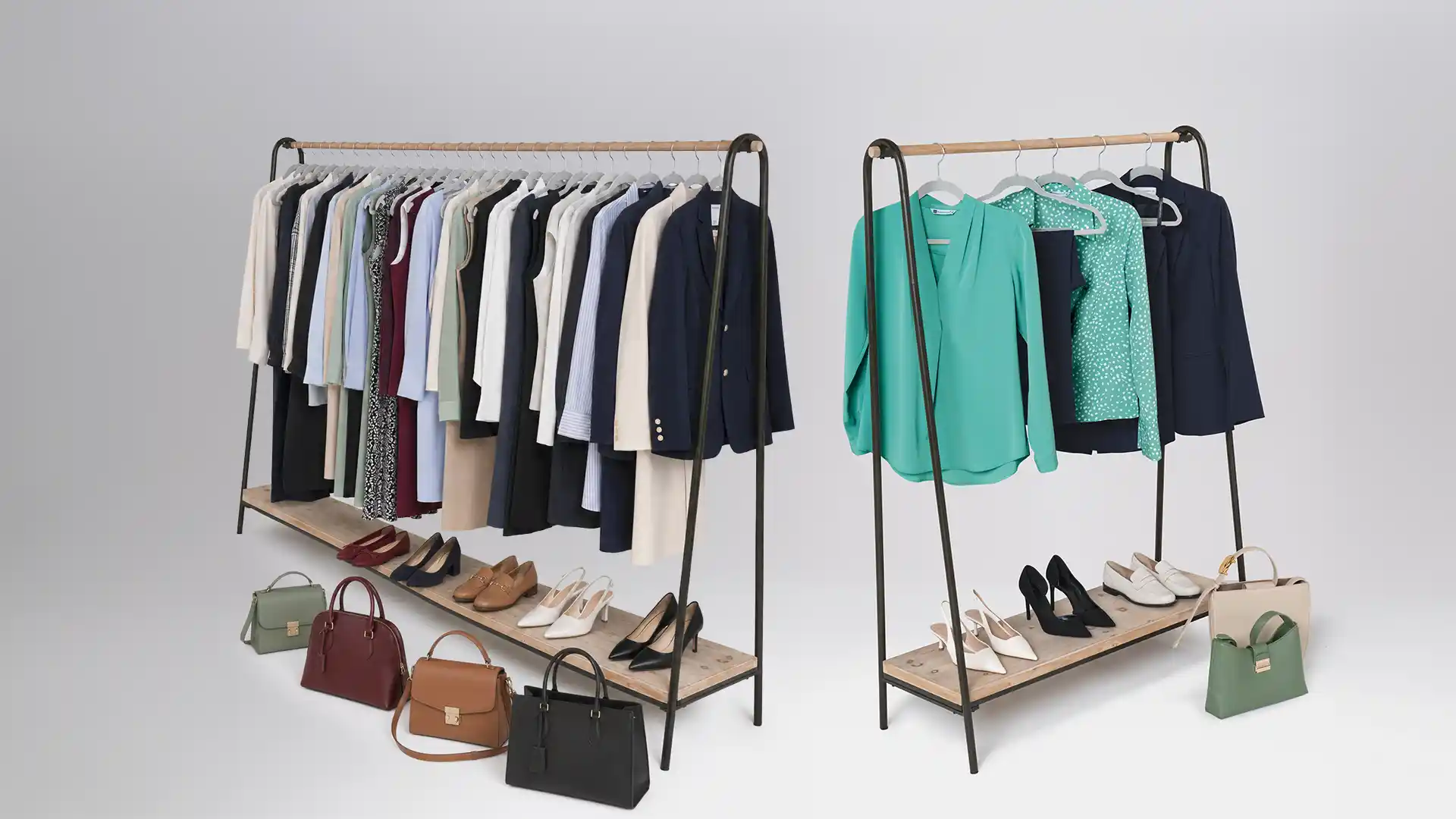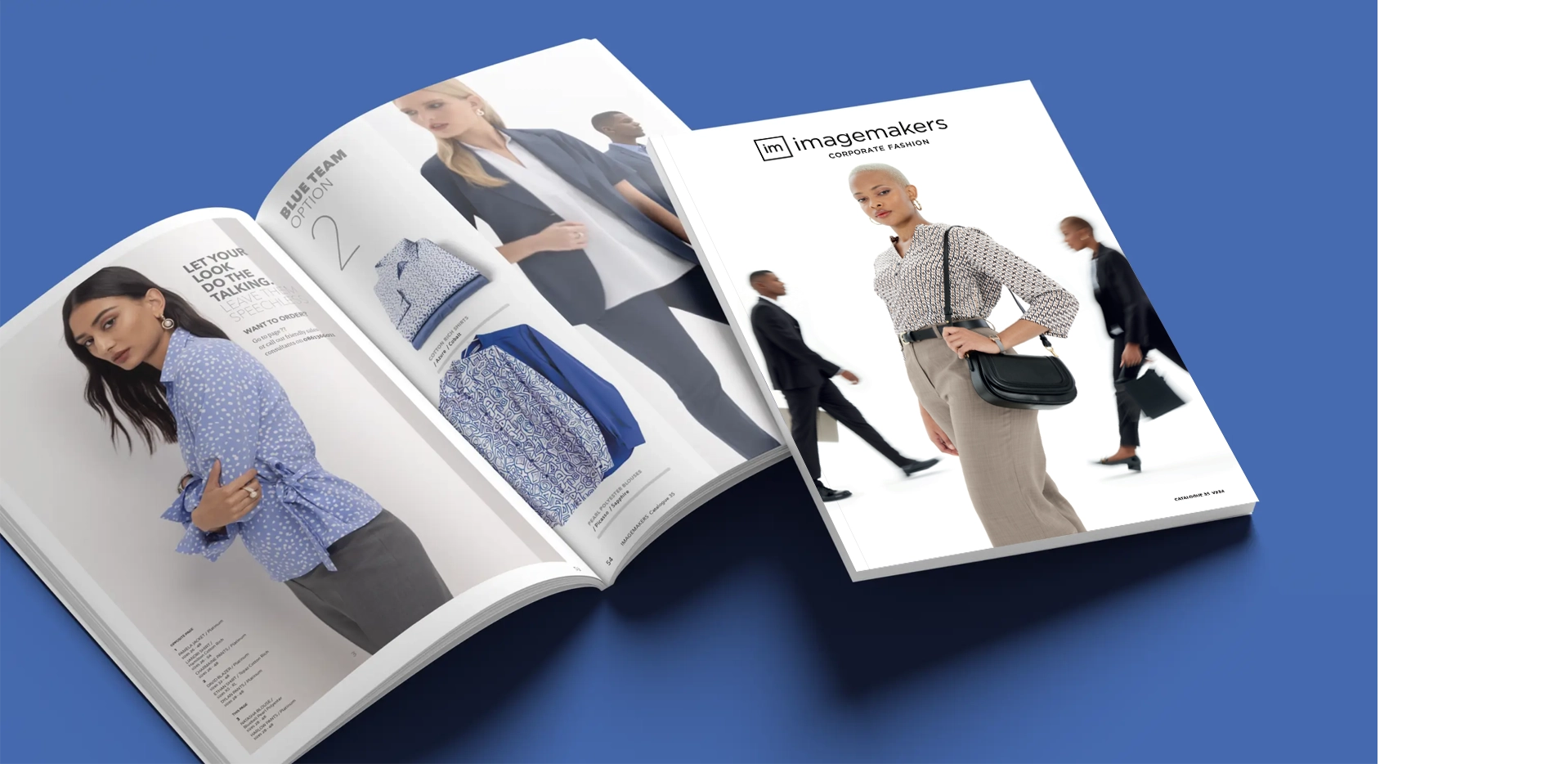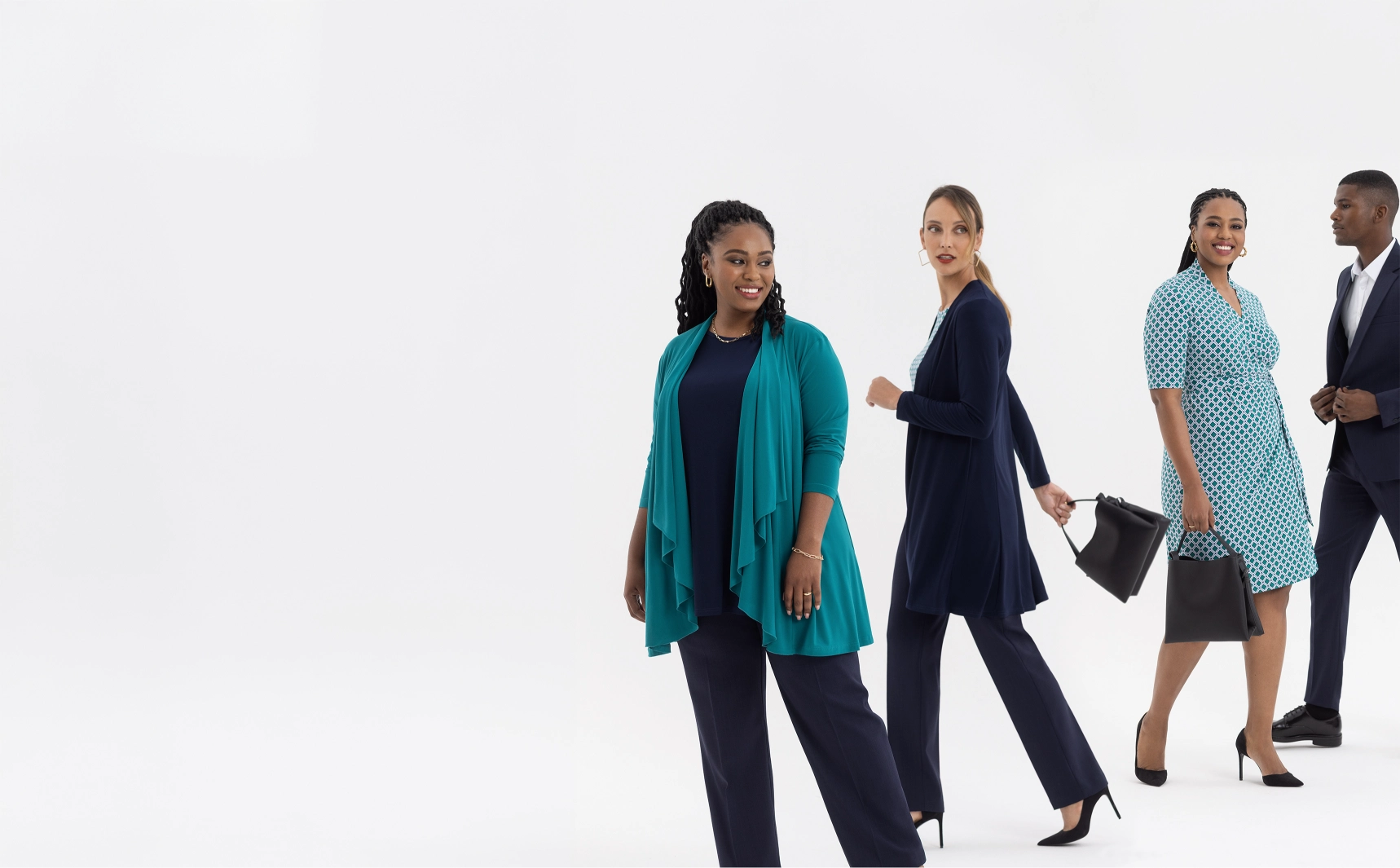


As Europe experiences increasingly intense summers, businesses across the traditionally cooler parts of the continent are beginning to rethink everything from office ventilation to working hours. Could professional clothing be next? While European tailoring has shaped business fashion for generations, countries like South Africa - where designing for warmer climates has long been a necessity rather than a trend - may now have valuable lessons to share about manufacturing Corporate Wear that is as comfortable as it is professional.
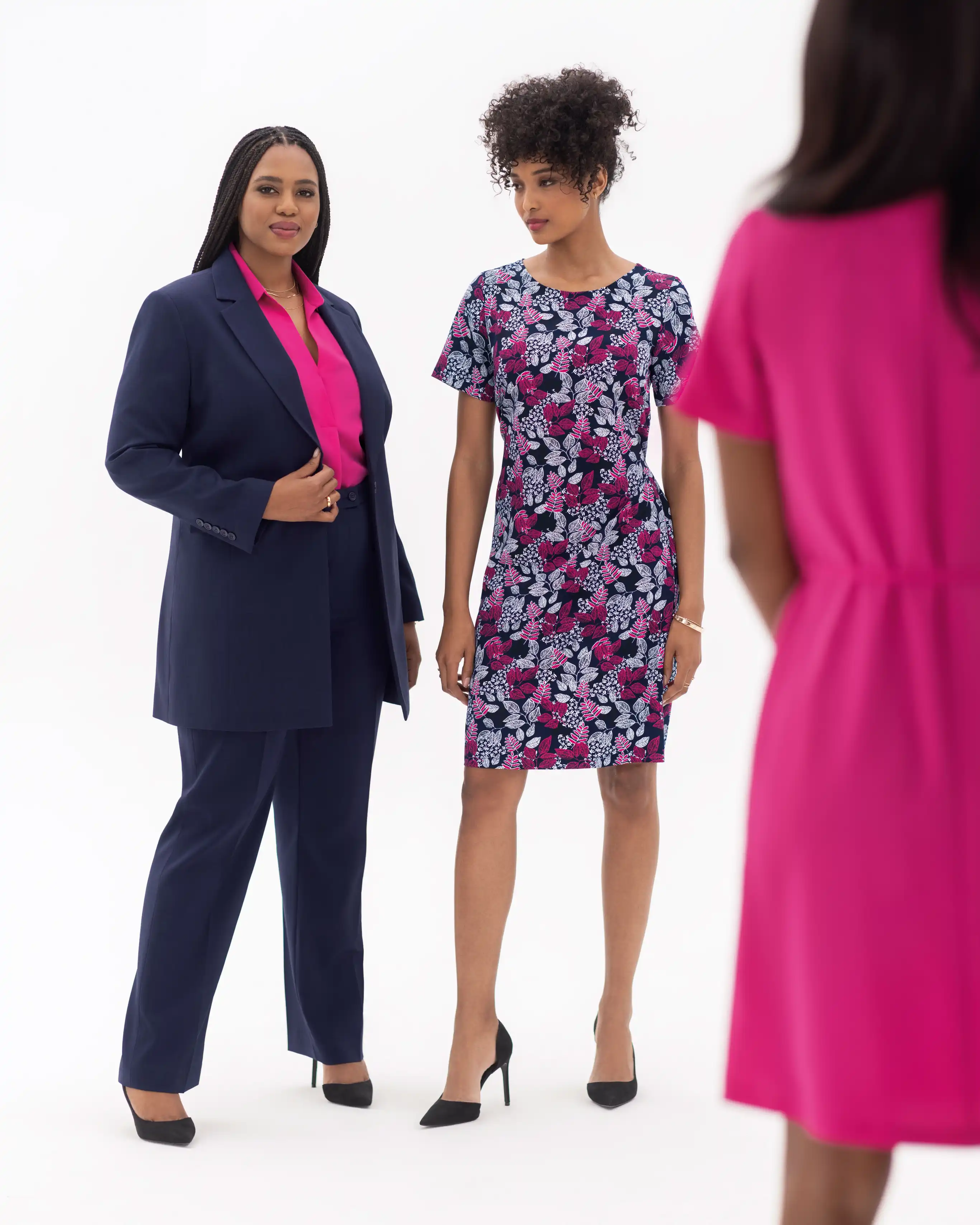
For many centuries now, Europe has largely set the tone for modern business attire. From Savile Row tailoring to Italian craftsmanship, the modern business wardrobe has been almost exclusively shaped by European design, craftsmanship and of course the colourful and eclectic cultures that reside in the world’s smallest but most concentrated continent. Around the globe, that influence became woven into the fabric of business itself, where the cut of a jacket, the line of a blazer and the crispness of a shirt came to signify professionalism, authority and trust.
That influence isn't disappearing anytime soon, nor should it, because let’s face it, European fashion will always continue to inspire designers from Sydney to Honolulu.
However, something profound is simmering away in the background, soon to spill over.
Across much of Europe, the climate that helped shape traditional business clothing is becoming far less predictable. According to the World Meteorological Organization, Europe is now not just the smallest and most concentrated but also the fastest-warming continent on Earth, while recent data from Copernicus has shown that several countries on the continent have experienced their hottest summers on record. France recorded 41.6°C in May and England recorded 37.7°C in June. In fact, France is considering changing its climate status to 'warm country' - so it's no big surprise really that businesses are increasingly discussing heat resilience, employee wellbeing and workplace adaptation. In other words,… the climate conversation now includes what people are wearing to work.
Could it be that in our lifetime we are witnessing a rare moment in fashion when knowledge begins flowing in both directions. Because for generations, fashion influence only travelled south.
Hot weather experience may now have something valuable to offer in return. Perhaps that ball is now in our court? Or on a bungee cord…
A Different Climate Creates Different Priorities
Professional clothing is evolving faster than it ever has before, in a world that is changing faster than ever before – a consequence of global warming that remained hidden for decades behind tradition, convention and local and stable climate conditions that rarely challenged either.
For much of its history, European business attire developed around cooler climates, very distinct seasons, and workplaces where staying warm was often just as important as maintaining a formal appearance. The classic business suit wasn't simply fashionable - it suited the environment in which it was created. And there were layers of it, boy were there layers.
South Africa, by contrast, has never enjoyed that luxury.
Here, designers of Corporate Clothes have long had to balance professionalism with practical realities. Employees move between office buildings, travel to customer sites, work outdoors, welcome clients throughout long summers and spend entire working days in environments where comfort directly affects performance.
That doesn't mean we have ever compromised on appearance. It means that we recognised that appearance was only part of the equation. We took the style and fashion and trends of Europe and made it work for us.
The most successful Professional Wear (certainly the uniforms that we design and manufacture) have always combined presentation with practicality.
It's a philosophy that has quietly evolved over decades rather than seasons.
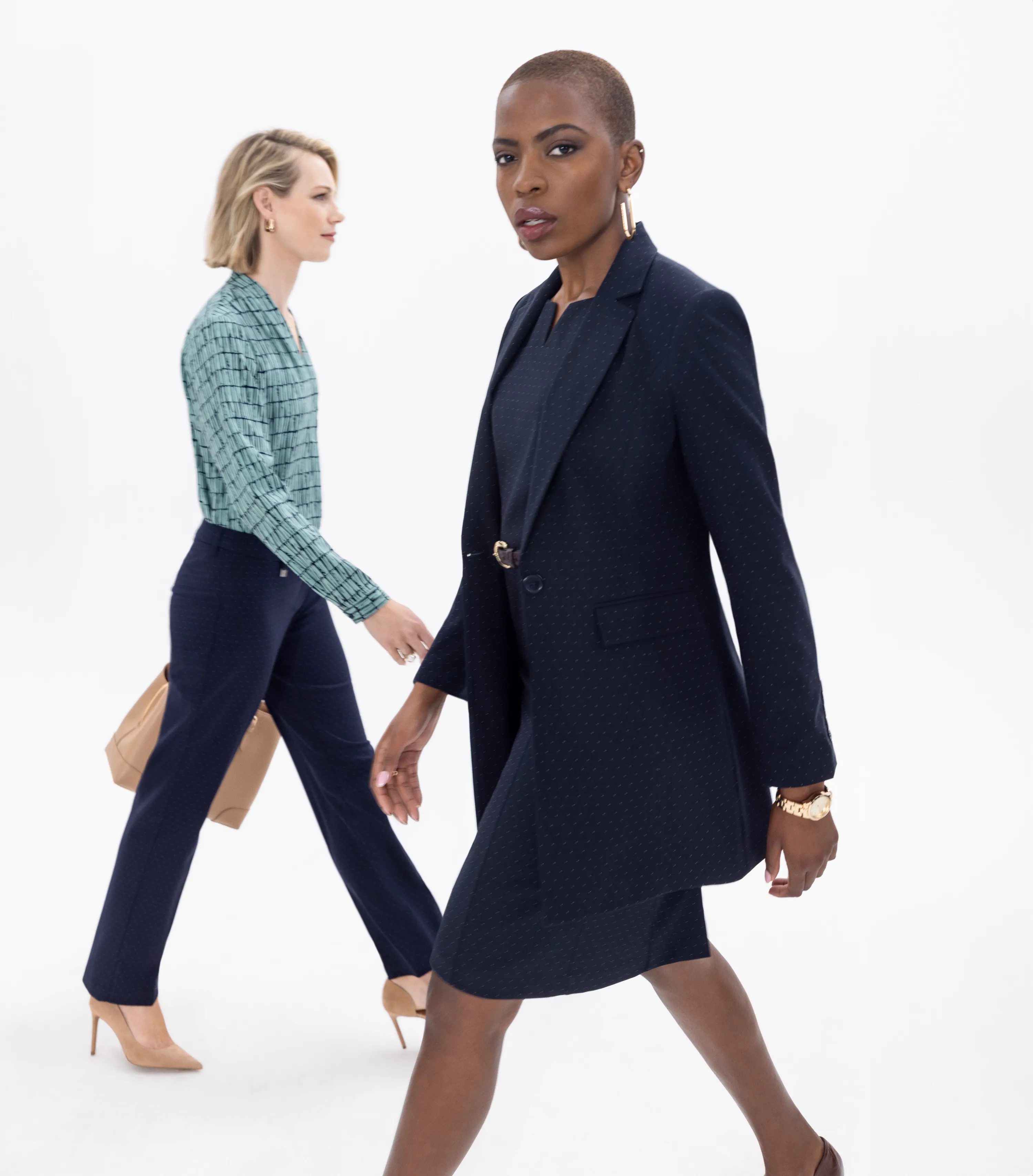
Designing Around People, Not Just Garments
When I recently read the interview with Imagemakers' Garment Technologist, Nicole Hapgood-Strickland (it’s great by the way - check the interview out here), one comment stayed with me.
"We're used to the heat."
There was no grand explanation behind it. In South Africa we get it immediately. Because it’s simply a reflection of the environment South African manufacturers have been designing for throughout their history. In London when temperatures reach 30 degrees C it’s seems unbearable to Londoners not because its impossibly hot, it’s because the Brits are simply not used to it.
Those four words 'we're used to it' reveal something important.
Experience shapes design. And employees and businesses operating in warmer climates naturally ask different questions:
• How will this fabric feel on me after nine hours?
• Will I still look fresh, smart and professional after travelling between appointments?
• Will the garment remain comfortable throughout my working day?
• Will I enjoy wearing it?
These aren't fashionable questions. They're practical ones.
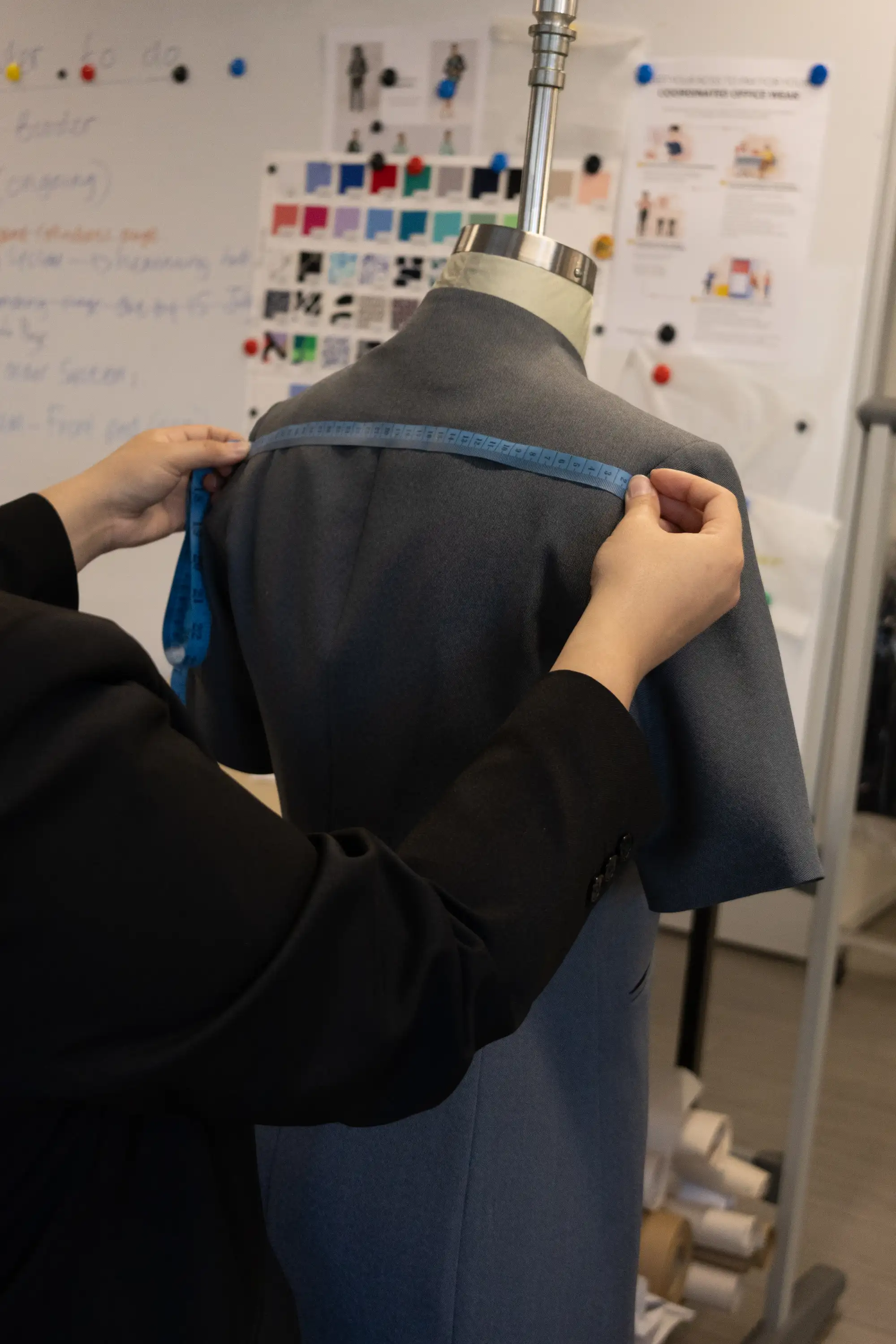
Nicole explained that every garment begins with the person who will eventually wear it. Before colour palettes, trims or styling decisions, the focus is on movement, comfort, durability, and function. Those principles influence everything from fabric selection to garment construction.
It's an approach that feels remarkably relevant as businesses everywhere become increasingly focused on employee wellbeing.
The best Corporate Wear must help people look AND perform professionally.
Comfort Has Become A Business Decision
There was a time when comfort was often viewed as a bonus.
Today, it's becoming a commercial advantage. Because employers are competing harder than ever to recruit and retain talented people. And as such, workplace culture, flexibility and employee satisfaction have become boardroom priorities, and uniforms increasingly form part of that wider conversation.
People simply perform better when they feel comfortable - it sounds obvious, but it's often overlooked.
A poorly fitting jacket, heavy fabric or restrictive shirt may seem insignificant in isolation. Across hundreds of employees, worn every working day, those small frustrations accumulate into something much larger. Call it quiet quitting before anyone has resigned.
Conversely, clothing that fits well, breathes effectively and moves naturally often goes unnoticed. Sounds dramatic but it’s surprisingly accurate - and after 42 years of supplying professional wear to over 21 000 companies, we’ve seen both sides of the spectrum… Before we supply and after we supply.
On both sides of this spectrum in South Africa there is a workforce that still seems trained to simply appreciate and not speak up - but that’s a blog for another time!
Also, that's precisely the point.
As Nicole observed during the interview, the best garments shouldn't fight the wearer.
They should quietly support them.
It's a philosophy I found particularly compelling because it shifts the conversation away from clothing itself. Instead, it focuses on confidence.
When employees feel comfortable, they interact more naturally with customers. They move more confidently through their working day. They spend less time thinking about what they're wearing and more time concentrating on the people they're serving.
Perhaps that's the real purpose of excellent Professional Wear.
Not to become the centre of attention. But to help the person wearing it become the best version of themselves.
The best business clothing doesn't demand to be noticed. It quietly allows the wearer to focus on everything else.
Professional Doesn't Mean Traditional
One of the biggest misconceptions surrounding Team Uniforms is that professionalism must look the way it did twenty years ago.
Why? Just think about it. Workplaces have changed dramatically. We have experienced a Global Pandemic event that is not yet ten years old, and the resultant hybrid working environment that has altered our behaviour and expectations. PS - there is a really good read about it here - Six Years On: Did the Pandemic Permanently Change What South Africans Wear to Work?
In this time, offices have become more collaborative and businesses increasingly value authenticity alongside professionalism.
And employees expect to be issued with or guided on clothing that reflects how they actually work rather than how previous generations worked.
That doesn't mean abandoning standards. It means redefining them.
Professional appearance has never been about unnecessary discomfort. It has always been about confidence, consistency, and trust.
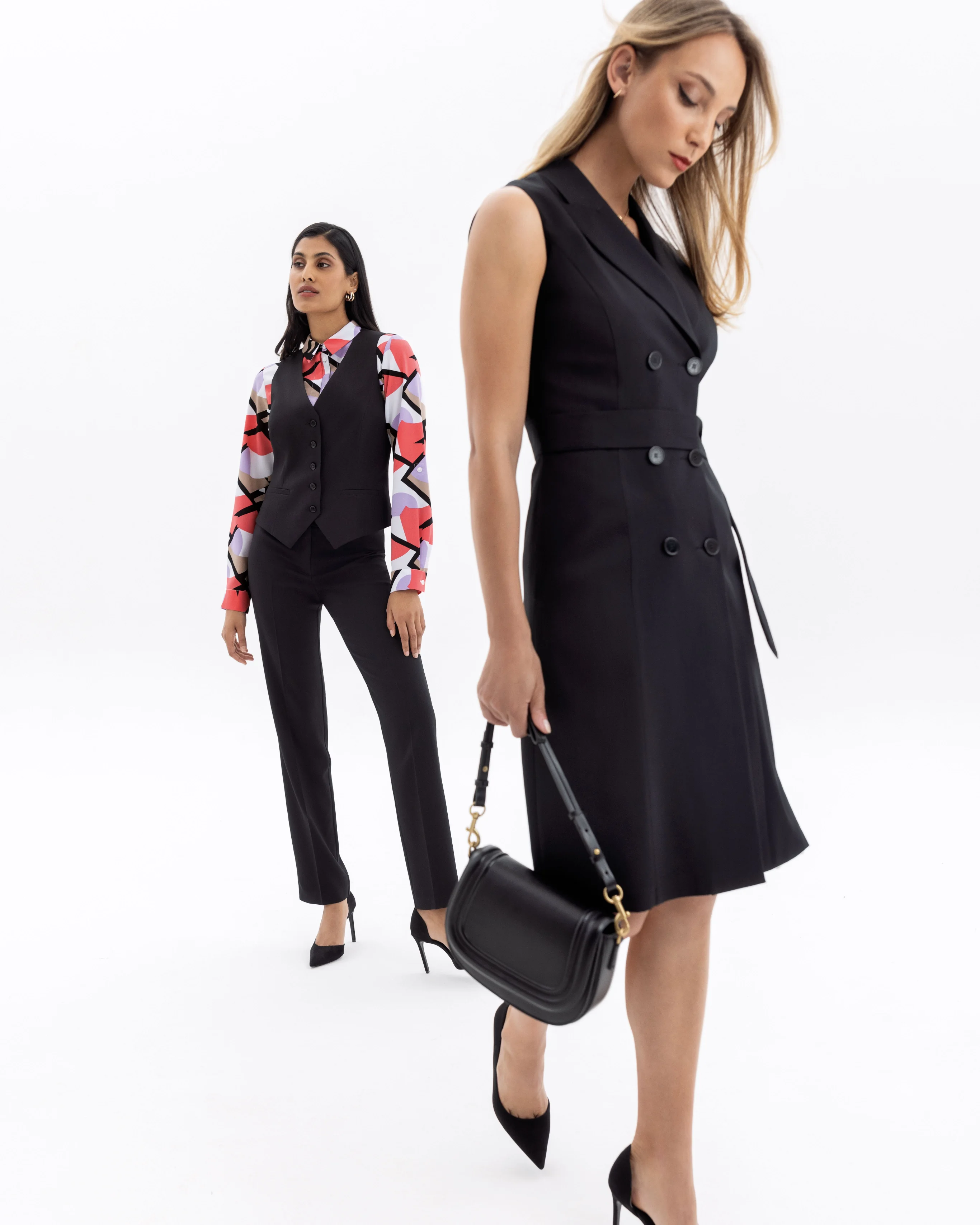
Modern Ladies Workwear, for example, increasingly reflects this balance. Women expect garments that fit their body shape without being restrictive, stylish without sacrificing practicality and comfortable enough to wear throughout long demanding working days.
Those expectations are no longer niche and for the few who can afford it. They're becoming the norm.
The same applies across virtually every sector - from hospitality and healthcare to logistics, retail, professional services and the panel beater down the road.
Good design isn't becoming less important. It's becoming more human. And speaking of 'human' we cannot utter this word without mentioning that which shall not be mentioned - Will AI change what we wear to work (it's a goodie, very pro human, have a read).
A Conversation Worth Having
None of this suggests Europe should abandon centuries of tailoring expertise. Far from it.
European fashion has earned its reputation through extraordinary craftsmanship, innovation and timeless design.
But every great industry benefits from fresh perspectives.
Climate change is reshaping assumptions that once seemed permanent. As temperatures rise and workplaces evolve, businesses everywhere may find value in listening to those who have spent decades solving similar challenges.
South Africa's contribution isn't about replacing European influence.
It's about complementing it.
One brings generations of tailoring tradition. The other brings generations of designing for warmer, more demanding environments.
Together, those perspectives could help shape the future of Corporate Clothing.
Perhaps that's the most interesting thought of all.
For centuries, fashion influence travelled south.
As the climate changes, practical experience may begin travelling north.
And that exchange of ideas could produce something quite fresh and inspiring.
And South Africa is always open for business!