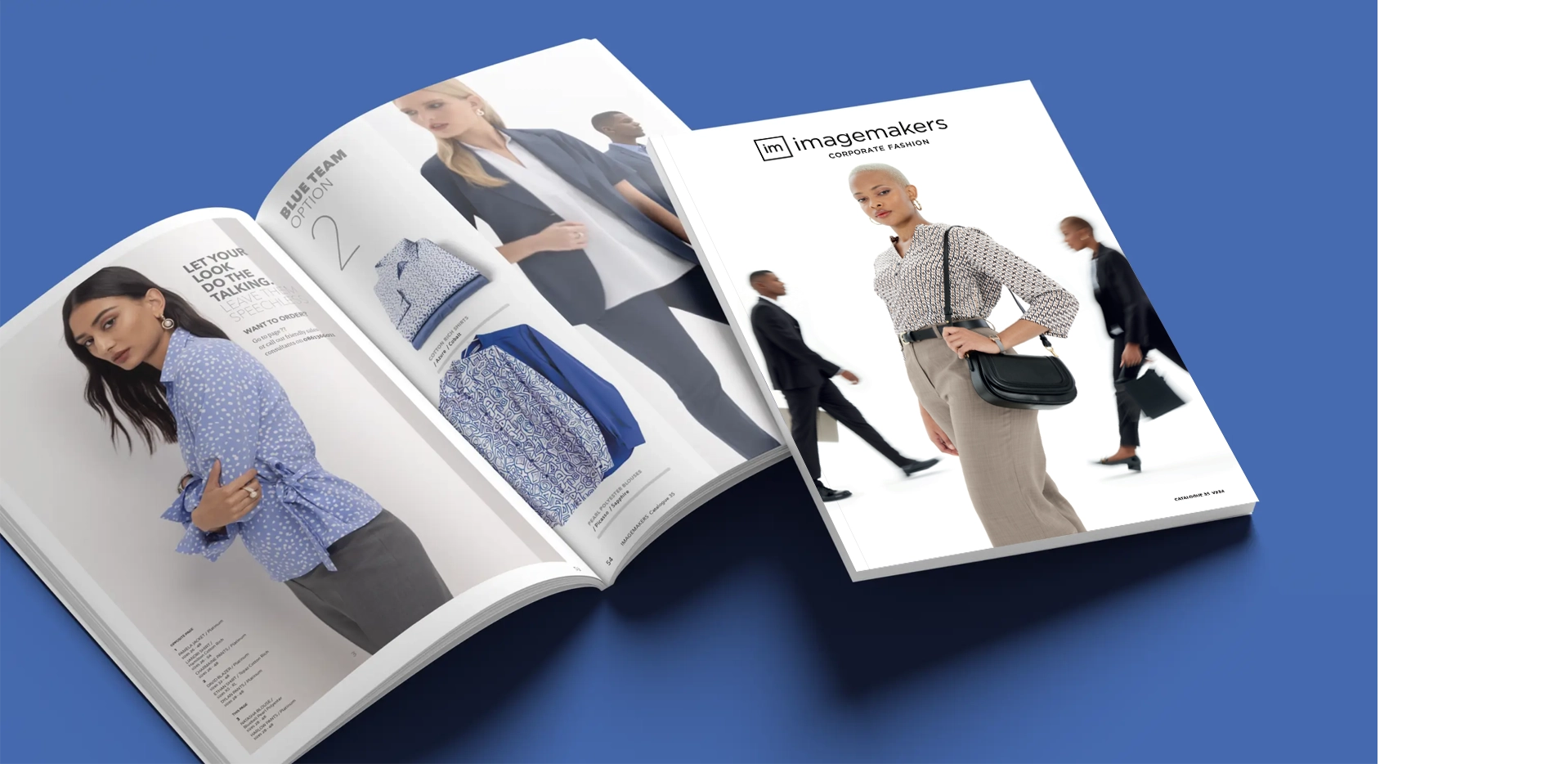


Across South Africa, corporate clothing in 2026 has become far more considered - and far more reflective of how businesses actually operate.
Here's what that looks like in practice:
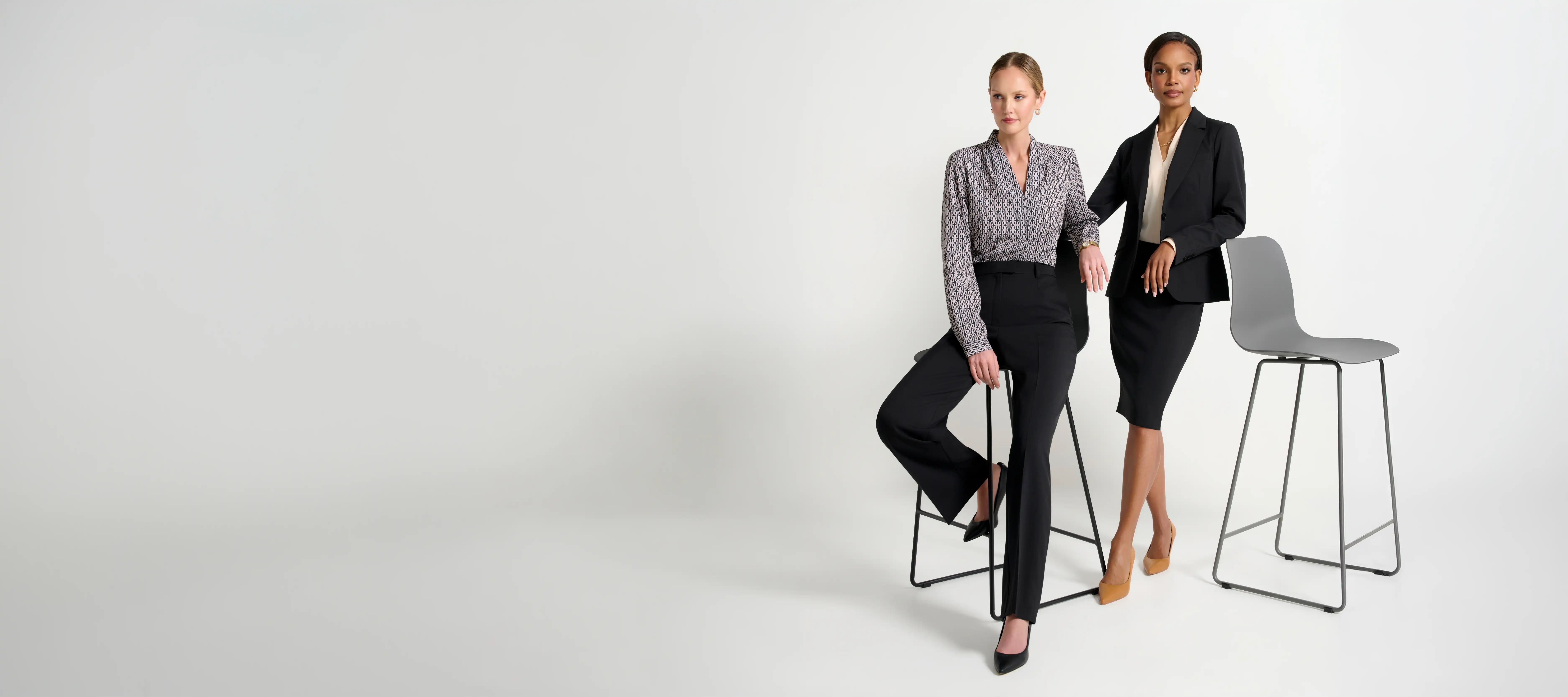
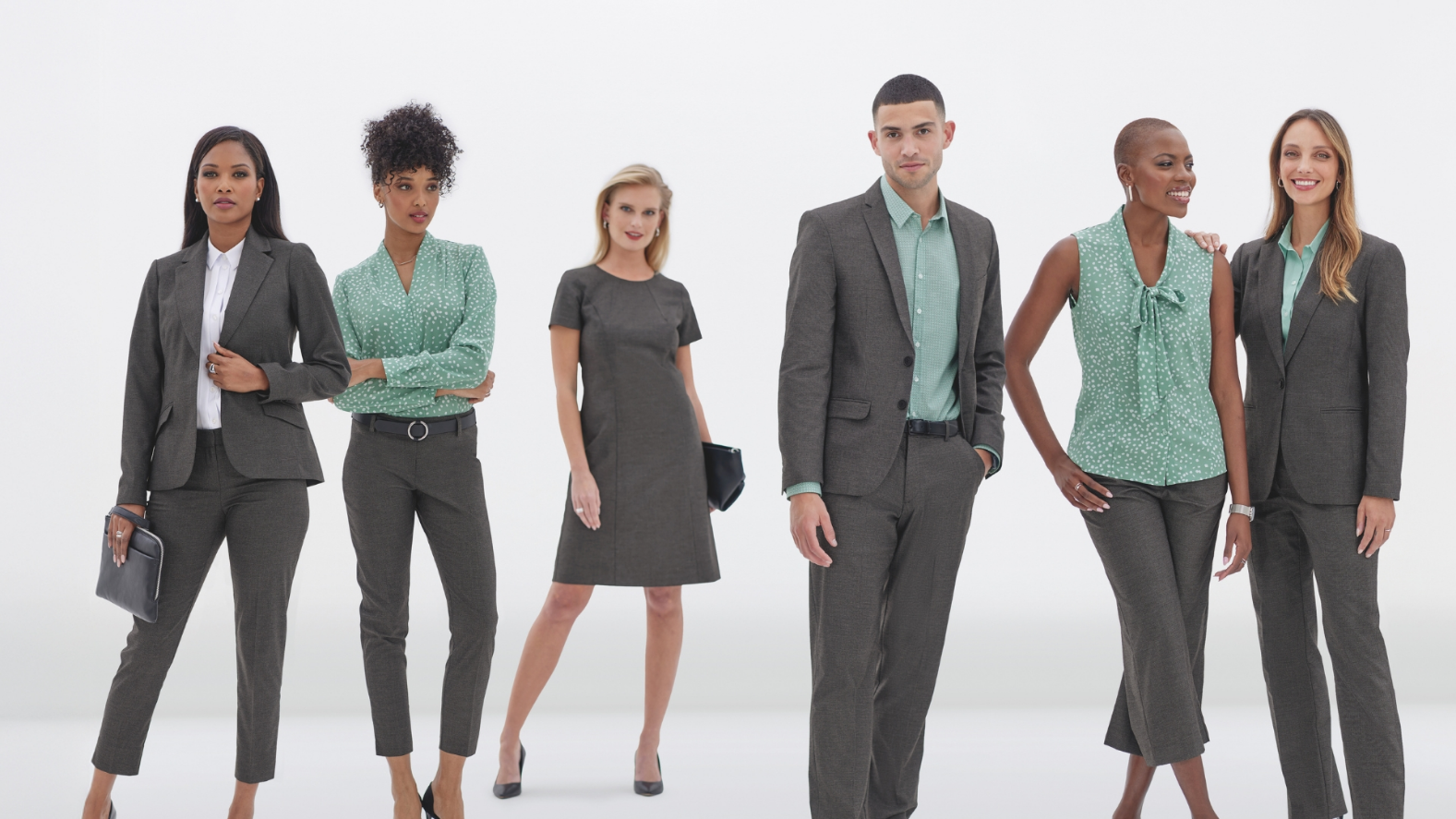
• A client-facing team in tailored trousers, structured dresses, and lightweight blazers - consistent in look, but not identical
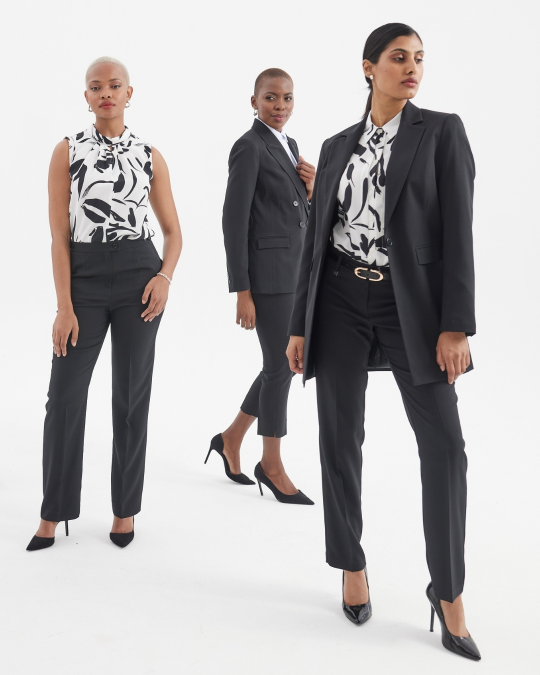
• A hospitality team in breathable, durable garments designed for long hours on their feet, without losing a polished appearance
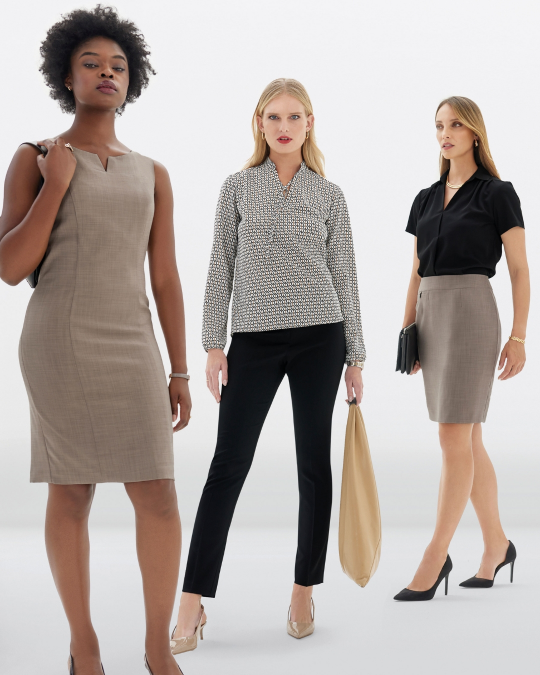
• Office-based teams mixing shirts, blouses, and layering pieces from the same range - creating a cohesive look without forcing uniformity
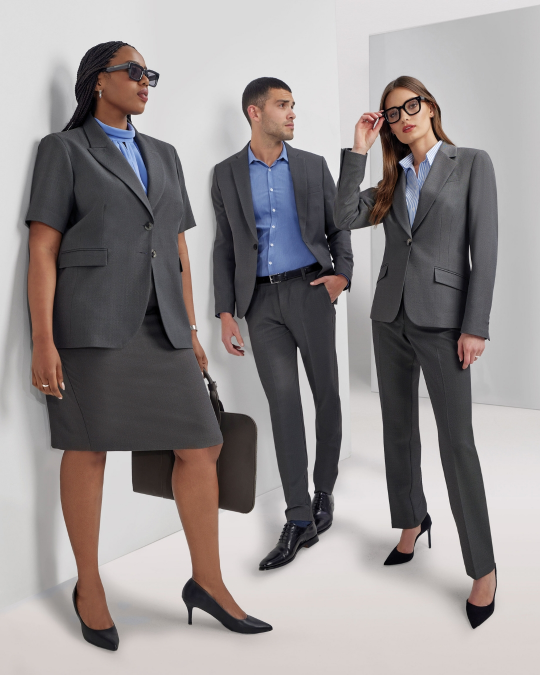
• A noticeable shift in office wear for woman south africa, where fit, comfort, and movement are built in from the start, not adjusted later
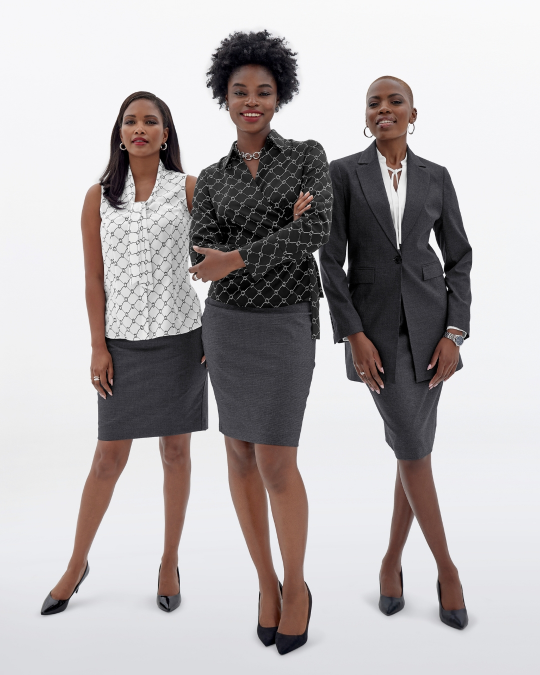
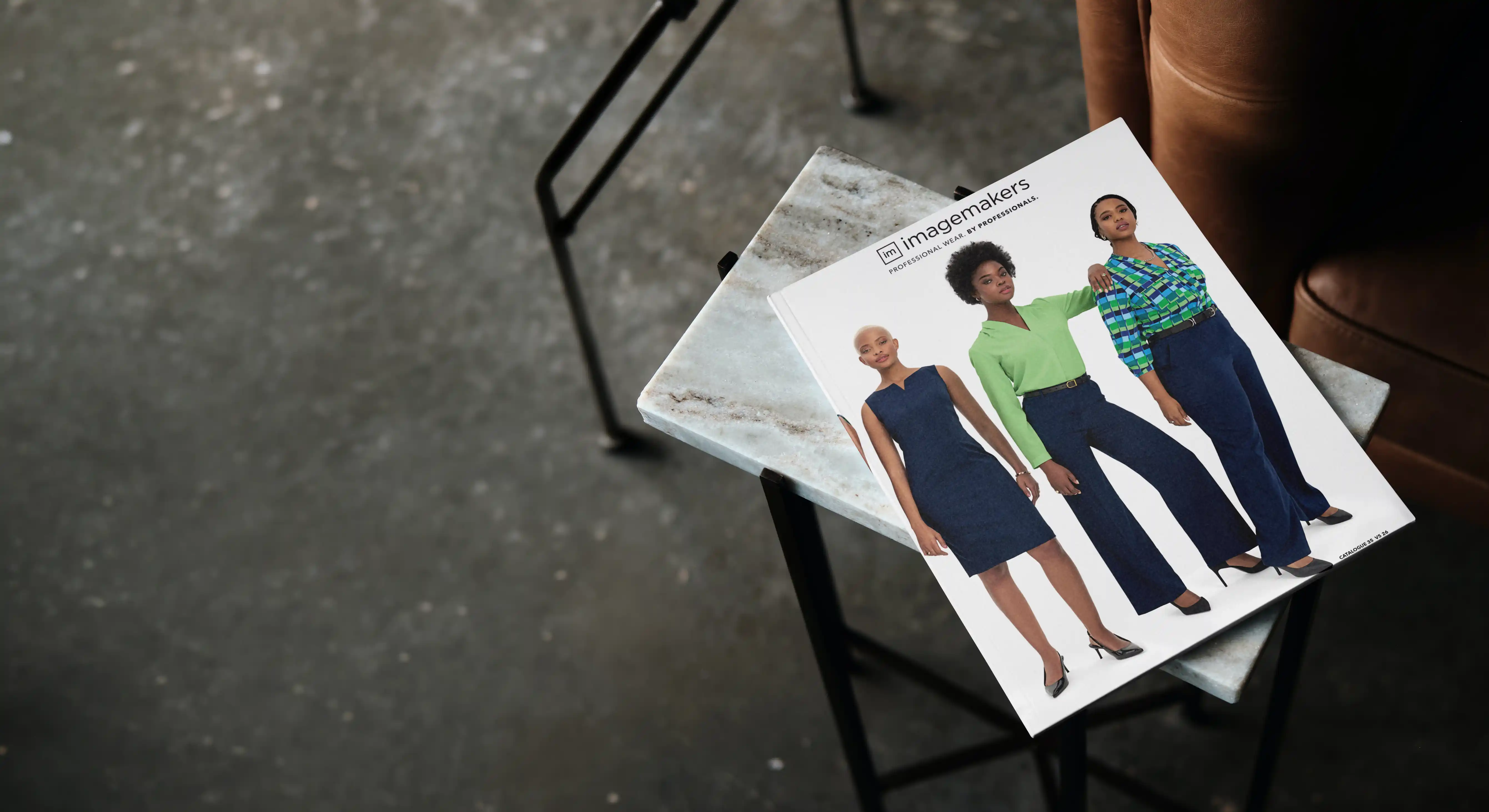
• Teams choosing from coordinated collections rather than being issued a single outfit - maintaining brand consistency while allowing for individuality
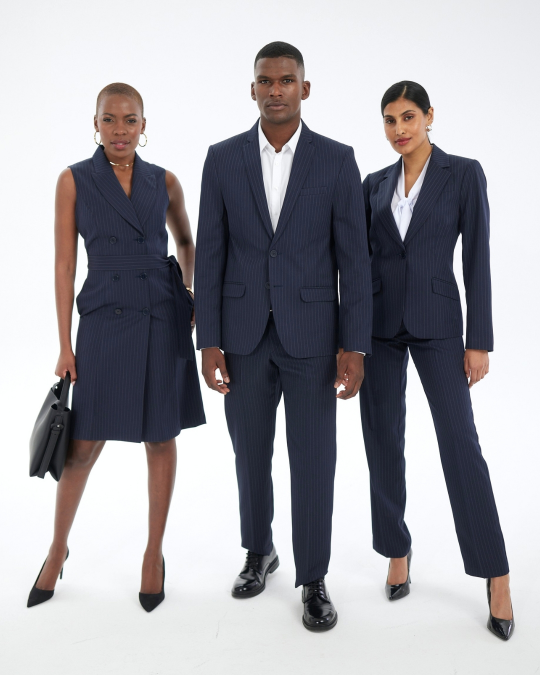
What ties all of this together isn't sameness - it's intent.
Clothing is being chosen based on role, environment, and how people actually work.
How It Used to Work
Not that long ago, workplace attire in South Africa followed a fairly rigid script. You woke up, dragged yourself out of bed and you dressed for the role you were employed to do, not necessarily for the day or the adventure ahead. Blazers meant professionalism. Matching outfits meant cohesion. Comfort sat somewhere much further down the list.
But over the past few years (and especially after Covid) - and through conversations, campaigns, and the stories we've seen coming out of our own community - that model is continuing to shift.
If anything, what people wear to work now says less about hierarchy, and more about how a business values every team members contribution and how this team actually operates as a dynamic and united force. With more staff input (more than ever before, individual members are themselves proposing new corporate clothes to their managers for consideration!) so it's clearly less about autocracy and more about team input. We’ve seen this time and again over the past few years, and it’s something we often talk about in the office - it’s always a good sign when a business starts to embrace change and, more importantly, begins to genuinely value its team.
The End of "One Uniform Fits All"
One of the other clearest changes we've seen - both in our own projects and in feedback from clients - is the move away from strict uniformity.
In previous articles, particularly those exploring how teams across South Africa actually work day-to-day, there's a recurring theme: no two roles look the same anymore. So why should what people wear?
If you've read our:
The Imagemakers Working in South Africa Series Part 1 and Part 2
You'll recognise this shift - workplaces are more dynamic, more fluid, and far less predictable than they used to be.
Instead of issuing a single outfit, businesses are moving towards curated ranges - structured enough to maintain consistency, but flexible enough to accommodate real people in different departments.
This is especially important when it comes to ladies work wear.
Historically, this category was often pieced together (especially after a year or so of items going missing) rather than properly designed - individuals left to their own devices and working within loose guidelines, assembling outdated outfits the night before or in the morning that roughly align to a colour or style, rather than something created specifically for the role and then reordered in the exact style and fit. But that’s pretty much completely changed thanks to Imagemakers. Fit, movement, and practicality are now expected - not requested. And that shift reflects something bigger: businesses are starting to design with their teams, not just for them and they are adopting uniform programmes that cater for reorders and new team members coming on board.
Comfort Has Become a Performance Factor
There's been a quiet but important reframing of what "professional" means, especially for 2026. It's no longer about how something looks at 9am when you arrive at work. It's about how it holds up through meetings, through lunch (leaving the office in all types of weather) through running to a meeting or up and down stairs, or at 5pm, after a full day of movement, meetings, and everything in between.
In fact, research from Gallup - who specialise in global workplace and employee engagement studies - consistently shows that employee wellbeing, including comfort and confidence, has a direct impact on productivity and engagement. Similarly, Deloitte has found that organisations prioritising employee experience tend to outperform those that don't. And yet, for years, team clothing was excluded from that conversation.
What we are seeing is the lines between work clothes and more structured attire are starting to merge. Garments are designed to be breathable, more adaptable, and built for real environments - not just static office settings.
In South Africa's climate, this isn't a trend. It’s a must-have requirement.
Office Wear Is No Longer About Dressing "Up"
If you look at how office wear has evolved over the last 12–18 months, the biggest change isn't style - it's intent.
In earlier Imagemakers pieces, particularly those focused on workplace culture and identity, we explored how environments differ dramatically between industries.
For example, in our recent storytelling-led content around team identity and expression (including campaigns like "SA's Best Dressed Team Award"), we've seen how individuals interpret workplace clothing in ways that go beyond "smart" or "casual".
The rise of more considered office wear for woman south africa is a good example of this. It's not about making outfits more formal or more casual - it's about making them appropriate. Pieces that transition across different parts of the day. Clothing that doesn't need adjusting, fixing, or second-guessing.
That's a very different brief to what existed even five years ago.
Cohesion Without Sameness
One of the more interesting outcomes of this shift is how businesses now think about identity.
Previously, cohesion meant visual sameness. Now team clothing is about alignment.
It's less about enforcing a look, and more about creating a shared framework. Colour palettes, consistent styling, and coordinated collections that allow individuals to choose what works - while still feeling part of something bigger.
And when that balance is right, it clearly shows in the clothes and the attitude of the person wearing the clothes.
What This Looks Like in Practice
Let's talk next about how this actually works.
Across our own styles and collections, this shift is already playing out in very practical ways:
• Corporate Chic
A more refined, client-facing look - structured dresses, tailored trousers, and elevated layering pieces. Ideal for teams that need to maintain a polished presence without feeling overly formal.
• Business Basics
The foundation range. Clean, consistent, and easy to roll out across larger teams. Think versatile shirts, blouses, and trousers that work across departments without overcomplicating things.
• Boardroom Brilliant
For more traditional environments where formality still matters. Sharper tailoring, stronger silhouettes, and pieces that hold their structure throughout the day.
• Corporate Cool
A more relaxed take on professional wear. Lighter fabrics, softer fits, and a slightly more contemporary feel - often suited to hybrid teams or creative environments.
• Elevated Transition
Designed for movement across roles and environments. Pieces that can take someone from internal meetings to client-facing interactions without needing a full change.
What ties all of these together isn't sameness - it's consistency.
Each range allows individuals to choose what works for them, while still aligning with a broader look and feel. That’s the difference between issuing uniforms and building a considered system.
From Procurement to Strategy
Another shift and one that's happening more behind the scenes, is how businesses approach decision-making. What used to sit with procurement is now shifting to brand and operations conversations.
Because the reality is, what teams wear has a direct impact on perception. Not just externally, but internally too. It influences how people feel when they walk into work, how they interact with clients, and how confident they are in their role.
That's why more companies are taking a far more considered approach to corporate uniform planning - and working closely with experienced corporate clothing suppliers south africa like Imagemakers who understand both the operational and brand side of the equation.
It's no longer just about supply. It's about getting it right.
The Return to Quality (For Good Reason)
There's also been a noticeable move away from temporary, short-term solutions. Over the past year, we've had more conversations around garment lifespan than ever before. Not just how something looks initially, but how it performs over time - through constant washing, daily wear, and repeat use.
This is where quality workwear is coming back into focus. We don’t believe it ever left, it's just become more of an immoveable requirement. But not in the traditional, last a lifetime, heavy-duty sense. But in a more refined way -fabrics that hold structure, colours that don’t fade, and garments that still look the part months down the line.
It's a more sustainable way of thinking, but also a more practical one.
Because replacing poorly made clothing every few months isn't cost-effective - for anyone.
So What's Actually Changed?
If you step back, the shift isn't towards casual. And it's not towards formal either.
It's towards relevance.
Workplace clothing in South Africa is becoming more aligned with:
• how people actually work
• what environments demand
• and how businesses want to be perceived
If you've followed our recent articles, that's been the consistent thread - from workplace culture, to team identity, to how people feel in what they wear.
The companies getting it right in 2026 aren't following a trend. They’re simply paying attention.