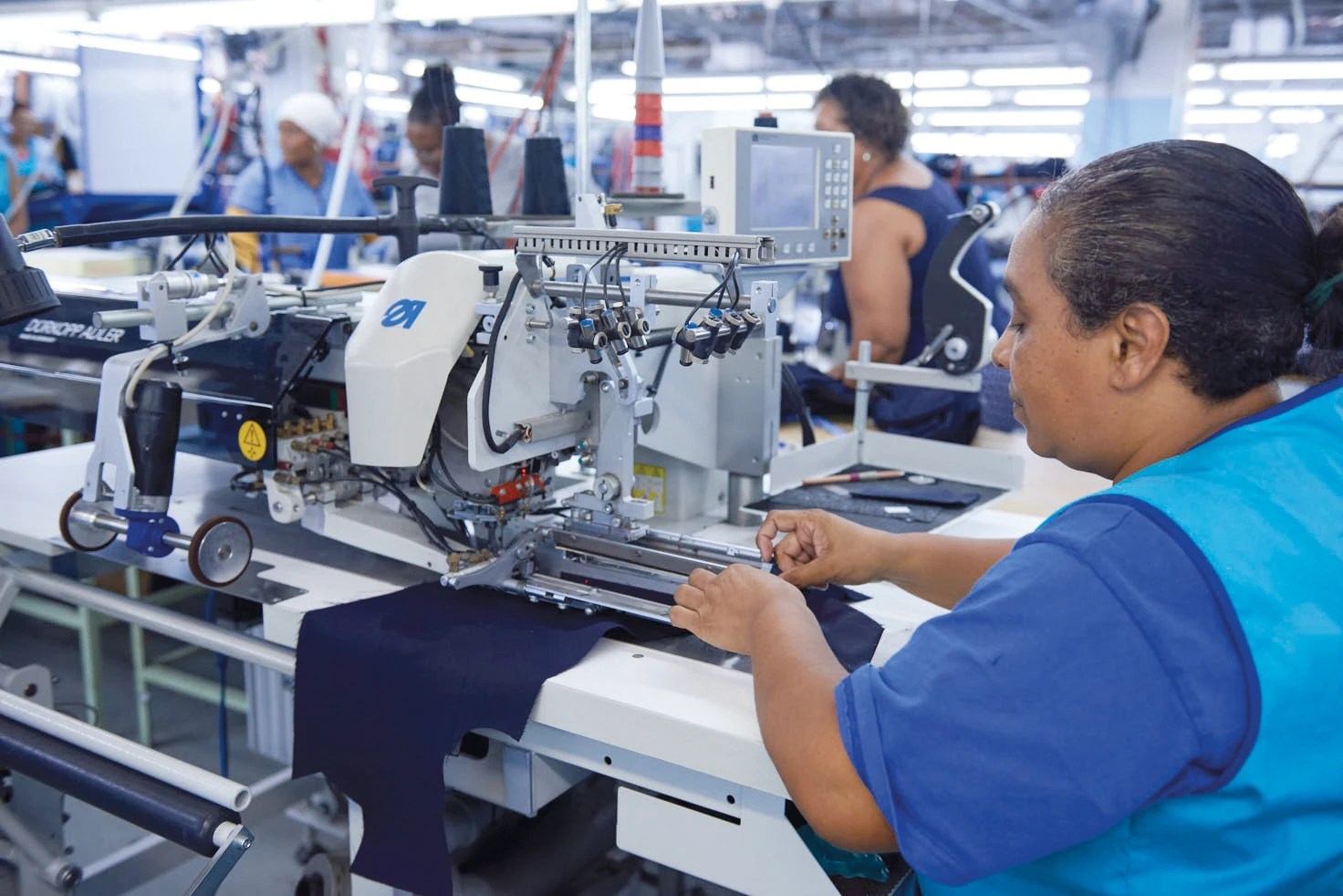


In Part 1 of our series, we looked at what working life in South Africa actually feels like - we interviewed senior managers, executives and individuals across various offices, shop floors, hospitality, logistics, and professional services. We explored and highlighted how working in South Africa is often tied to pride, responsibility, and a strong sense of showing up properly, even when appreciation is lacking and conditions are tough.
Part 2 turns that lens onto something far more practical: what people put on every morning to do that work, and why decisions around corporate clothing and team uniforms tend to succeed or unravel long after the first delivery from a corporate clothing supplier arrives.
This is where corporate fashion meets real life.
Not fashion as a "flick the hair back" statement (although this is always encouraged), but corporate fashion that supports confidence, dignity, and daily performance - without getting in the way of the job at hand.
Corporate fashion still has to work
At Imagemakers, corporate fashion isn't just about dressing teams up for show. It's about helping people look professional, considered, and consistent, while still being able to get through a full working day comfortably. What's the point in looking great but feeling like you need to disrobe at the very first opportunity?
In practice, good corporate fashion sits at the intersection of:
appearance
comfort
durability
and suitability for real working conditions
Search for corporate clothes or corporate wear and you'll find plenty of polished images. What matters more is whether those garments still look and feel right at 4pm, after meetings, movement, heat, and a full day of work.
In South Africa especially, corporate fashion works only when it supports daily realities. Clothing that looks sharp but feels restrictive, heavy, or impractical quickly stops being worn as intended - and no amount of branding fixes that.
When corporate fashion is done properly, it doesn't compete with function. It works because of it.
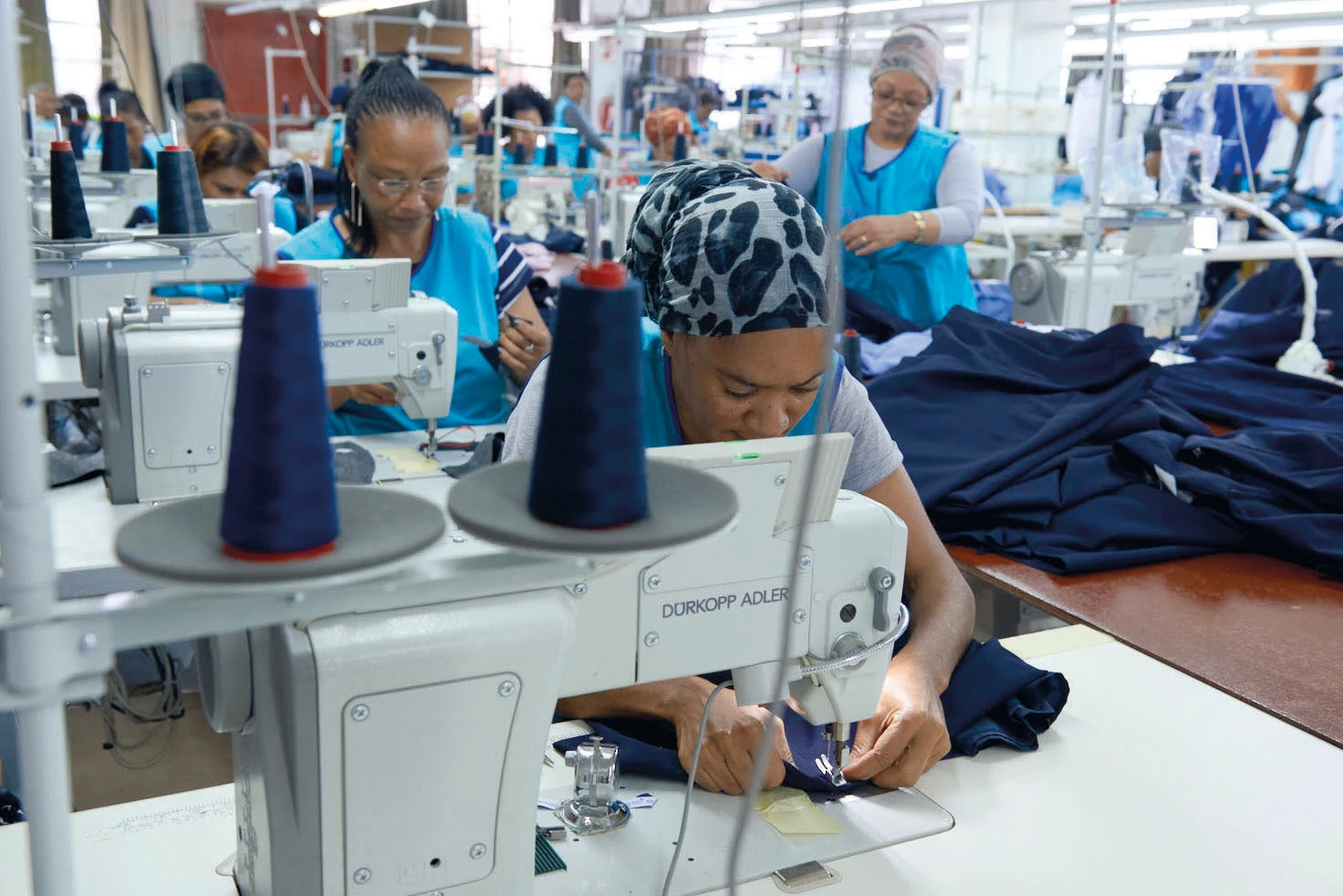
Corporate wear and team uniforms: similar goals, different jobs
The terms corporate wear and team uniforms are often used interchangeably, but they usually serve different needs.
Corporate wear is typically chosen for office-based or client-facing teams – clothing that signals professionalism, trust, and consistency.
Team uniforms focus more on practicality, visibility, movement, and durability.
Most South African businesses need both:
smart corporate clothing for meetings, reception areas, and customer-facing roles
practical work clothes for teams who move, lift, serve, clean, build, or travel
Trying to force one solution across all roles is where uniform programmes come unstuck.
The question that prevents expensive mistakes
Before looking at styles, colours, or suppliers, ask one simple question:
"What does this clothing need to help our team do?"
Not "How do we want to look?"
But rather:
Do staff need to stay cool?
Do they move constantly?
Are they on their feet all day?
Does the clothing need to hide wear and frequent washing?
Is confidence as important as durability?
When this question is given oxygen and answered honestly, better decisions follow - and fewer garments end up sitting unused in cupboards.
Work clothes must match working conditions
This is obvious in theory, but often skipped in practice.
Before ordering corporate clothing or work wear, it's worth pausing to consider:
Are staff mostly indoors, outdoors, or moving between both?
Do roles involve sitting, standing, walking, lifting, or driving?
Is heat a daily factor?
Will garments be washed at home or industrially?
How forgiving do fabrics need to be?
Work clothes that ignore these realities end up becoming optional. And optional uniforms leave a team mismatched and unaligned - something that directly affects morale and productivity (see our blog post here on 'how uniform mistakes can cost companies millions').
Fit is where most programmes succeed or fail
One of the fastest ways to lose a team's buy-in is poor fit.
This shows up most clearly with:
work wear for ladies that hasn't been properly shaped
corporate dresses that look smart but restrict movement
unisex cuts that don't really suit anyone
If people feel awkward or exposed in what they’re wearing, confidence drops. Good fit isn't a luxury - it's a baseline.
Always allow for:
inclusive sizing
different body shapes
a quiet, respectful exchange process within the team
This makes a noticeable difference to how clothing is worn and perceived.
The part most companies forget: the uniform system
Uniforms rarely fail because of bad intentions. They fail because there's no system behind them.
Every successful programme answers questions like:
How many sets does each employee realistically need?
What happens when items are damaged or lost?
How are new hires dressed quickly and properly?
How do reorders work?
Who manages sizing and approvals?
Without a system, mismatched items creep in. Consistency slips. Frustration grows quietly.
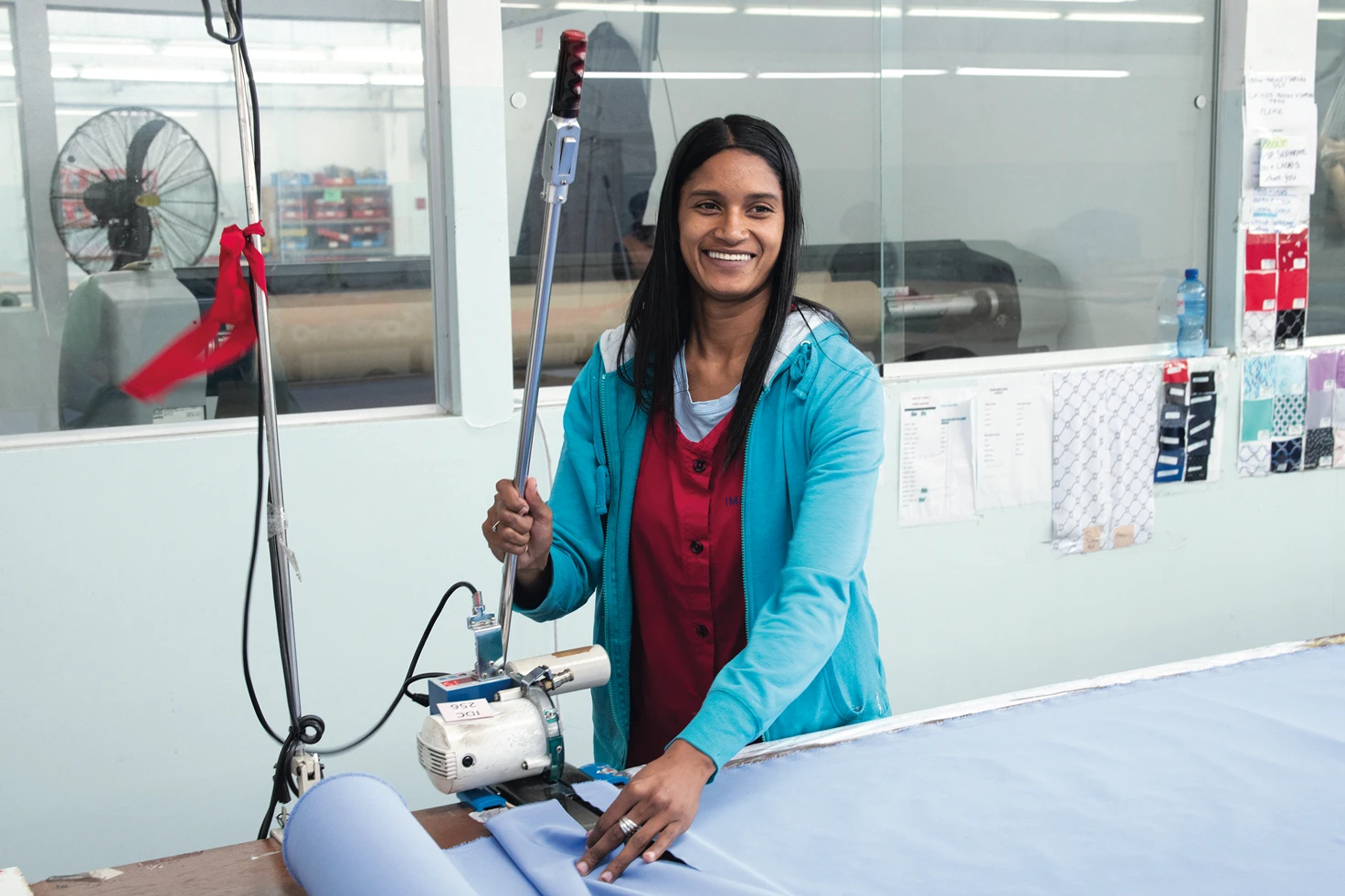
Choosing corporate clothing suppliers in Cape Town (and beyond)
When searching for corporate clothing suppliers Cape Town, or in Durban, Pretoria, or Johannesburg or anywhere across Southern Africa, price and turnaround times often dominate the decision. But they shouldn't be the only factors.
A good supplier helps you think through:
fabrics suited to local conditions
realistic lead times
long-term reordering
consistency across branches or regions
fit and sizing across diverse teams
costs that fit your budget
Corporate clothing works best when suppliers understand how garments will actually be worn - not just how they look on a spec sheet.
At Imagemakers, strong customer service reviews (including a 4.9 out of 5 on Google) come from a team that looks after repeat orders properly and keeps relationships personal rather than transactional.
Questions businesses genuinely ask (and honest answers)
How do we choose corporate wear people will actually wear?
Start with comfort and movement, then refine the look. Clothing that feels good gets worn by a happier team. Clothing that doesn't gets avoided.
How many work clothes should each employee have?
Enough to rotate through work and washing without looking worn out by mid-week. The answer depends on the role, not a fixed number. A minimum of two per team member is usually sensible.
Should different departments have different uniforms?
Yes, when the work is meaningfully different. Shared elements such as colour, styling, and accessories help keep the brand unified.
What's the biggest mistake companies make?
Choosing corporate clothing based on appearance alone, and treating it as a once-off purchase instead of part of an ongoing programme.
A closing thought
In South Africa, work carries weight. For many people, it's tied to pride, responsibility, and identity. What people wear to do that work should support them - not distract or restrict them.
When corporate fashion and work wear are chosen thoughtfully, they reduce friction and help teams feel prepared, respected, and confident in how they go about their day.
And when that happens, it shows - quietly, consistently, and with a confidence and joy that feels distinctly South African.