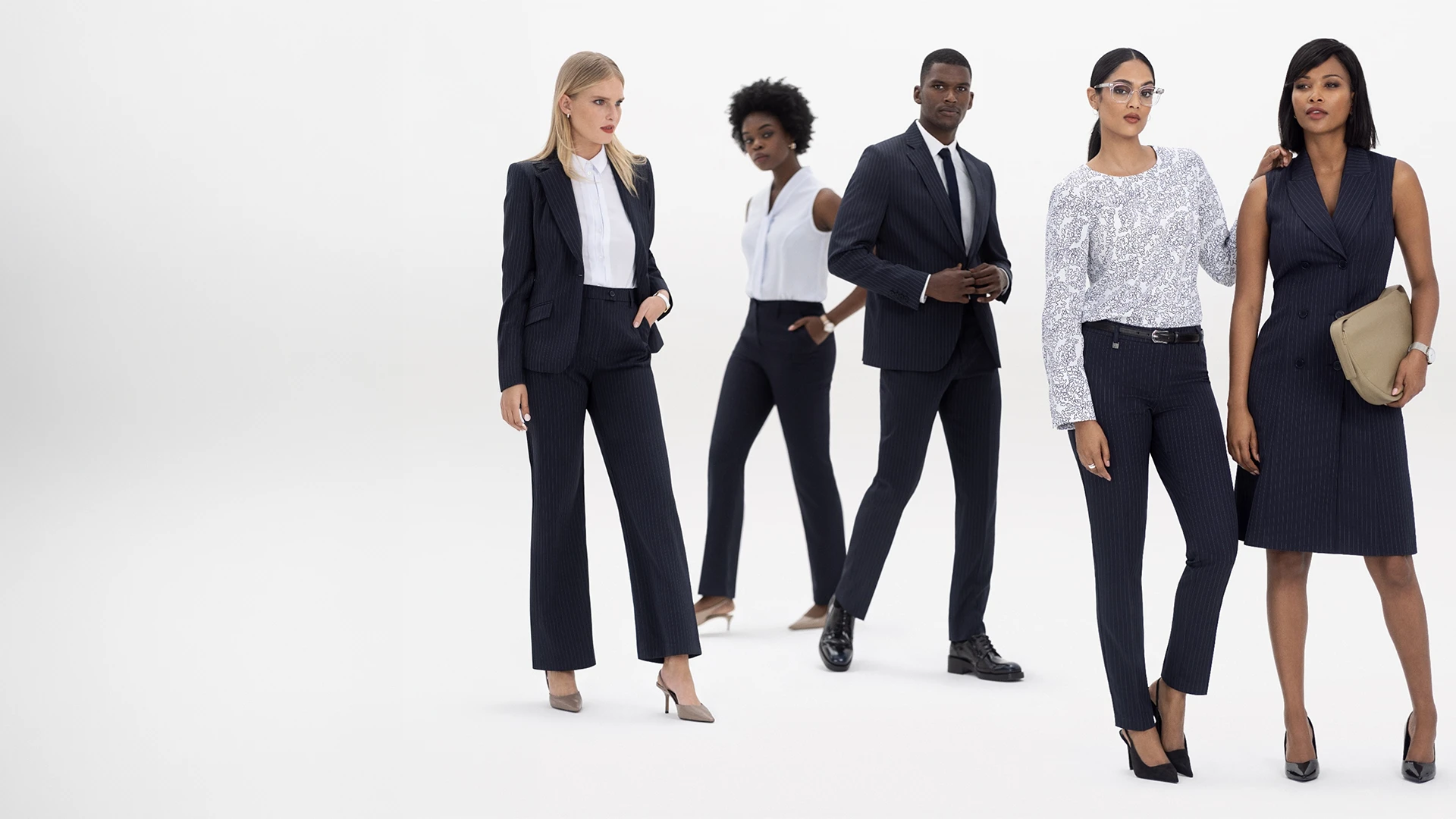


For as long as we remember, the majority of our calls for workplace team uniforms were centred around some fairly typical questions - all very simple and straightforward.
"I quite like this style, do you have a sample you can send"; “What colours do you have?"; "How quickly can you deliver?"; "What's the pricing?"; "Can we add another 20 shirts later?"
And honestly, for many years, that was largely the conversation.
Pick a style and colour. Choose a few garments. Order enough sizes. Hopefully everyone likes their new uniforms. Job done.
But things have changed quite dramatically over the past few years.
Today, employees expect far more from corporate clothing than they once did. And businesses are starting to realise that workplace clothing affects far more than simply whether a team "looks professional" and is "on brand".
It influences:
• confidence,
• comfort,
• company culture,
• belonging,
• first impressions,
• team morale,
• and even whether somebody quietly changes into their takkies under their desk by 10am.
We wrote a popular article about it here: You Are What You Wear: The Quiet Psychology of Belonging at Work
After working with South African businesses for decades, one thing has become very clear:
The companies getting workplace clothing right are no longer treating uniforms as a simple procurement exercise….they're treating them as part of the overall employee experience.
And this makes us really happy because we've been harping on about it for years.
Think about it, people wear these clothes every single day. Usually for long hours. Sometimes in traffic. Sometimes in heat. Sometimes while carrying coffee, laptops, paperwork, samples, stock or small emotional breakdowns before Monday morning meetings.
So yes - what employees wear to work matters far more than many businesses realise.

Professional Still Matters… But Nobody Wants To Feel Uncomfortable All Day
One of the biggest shifts happening across South African workplaces right now is the move towards more comfortable and flexible team uniforms. For all sizes, roles, weather, climate, location and position.
That does not mean companies suddenly want staff looking untidy or overly casual. Professional presentation still matters and will always matter.
Customers still judge businesses quickly based on appearance. Teams still want to feel part of something organised and credible. And businesses still want consistency across departments, branches and customer-facing roles.
The counter lever to this now is that employees increasingly want clothing that feels wearable in real life. And we are here to connect the two so they are not now two mutually exclusive opposing forces.
And we are certainly not advocating for a "stand still and pose nicely for a brochure" type of evolution (although it's nice when these compliments roll in).
We're seeing growing demand for:
• lighter fabrics,
• easier fits,
• more movement,
• breathable materials,
• layering options,
• and clothing that still feels good at 4pm… not just 8am.
This is especially important for teams constantly moving between:
• meetings,
• receptions,
• customer visits,
• vehicles,
• events,
• offices,
• warehouses,
• and hybrid work environments.
The modern question is no longer just: "Does this look professional?"
It's also: "Can somebody realistically function in this all day without fantasising about changing into swimwear or pyjamas?"
That shift is quietly reshaping modern corporate clothes.
Employees Want To Feel Like People - Not Photocopied Office Furniture
This is another huge workplace shift. Years ago, many companies wanted everybody dressed almost identically.
Same shirt.
Same trousers.
Same look.
Same personality.
Same everything.
The thinking was predictable - consistency equals professionalism.
But employees increasingly want a little more flexibility and individuality within that consistency.
Not because professionalism matters less… but because comfort, confidence and practicality matter more now.
We're seeing far greater demand for:
• mix-and-match options,
• multiple fits,
• modern cuts,
• layering pieces,
• flexible styling,
• and clothing choices that work across different body types.
This is especially important when designing ladies workwear and women's workwear.
Women increasingly expect workplace clothing that:
• fits properly,
• feels modern,
• allows movement,
• feels flattering,
• and still looks professional.
Which,to be fair, feels like a perfectly reasonable request in this day and age!
For years, women's workplace clothing in many industries was often treated as:
"Here's the men's version… but slightly smaller."
Thankfully, businesses are becoming far more thoughtful about this now. To put it bluntly, ladies fashion in the corporate world is now thought of first.
And interestingly, companies that involve employees in workplace clothing decisions often see:
• stronger buy-in,
• fewer complaints,
• better confidence,
• and teams actually wanting to wear the clothing properly.
Which sounds obvious…but historically hasn't always happened.

The Best Corporate Clothing Is Usually The Clothing Nobody Complains About
This is something many businesses eventually discover. It's kind of the litmus test.
The best team uniforms are often the ones employees stop thinking about completely.
No awkward tugging at sleeves.
No overheating.
No stiff fabrics.
No "why does this pocket exist?" moments.
No counting down the minutes until they can change clothes after work.
The clothing simply works.
And when workplace clothing works properly:
• teams feel comfortable,
• employees feel confident,
• presentation improves naturally,
• and the overall business tends to look more polished without forcing it.
That's the real sweet spot.
Because when people feel good in what they're wearing, it usually changes how they carry themselves too.
Customers notice that.
Teams notice that.
Even managers notice that.
Usually right around the time the uniform complaints mysteriously disappear.
Workplace Clothing is part of the Company Culture
Think, "What does our workplace clothing actually say about us?"
And that question goes far beyond simply looking professional.
Modern corporate clothing increasingly reflects:
• company personality,
• workplace culture,
• industry positioning,
• staff expectations,
• and even recruitment appeal.
For example:
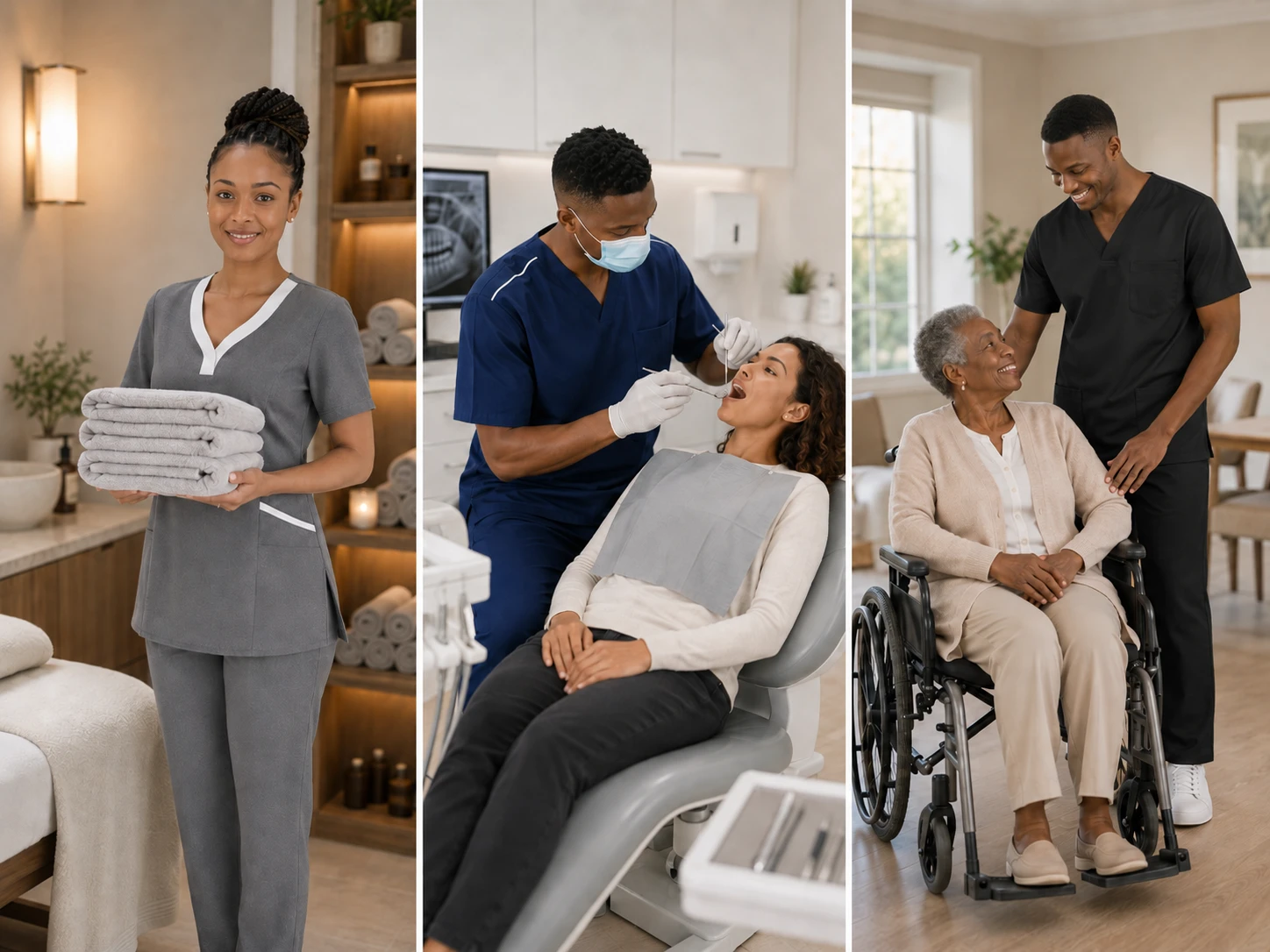
• A legal firm may want timeless professionalism.
• A hospitality business may prioritise warmth and approachability.
• A health and beauty brand may lean into fashion-led styling.
• A tech business may want flexibility and comfort.
• A premium property company may focus heavily on presentation and trust.
In many ways, workplace clothing has quietly become part of company identity.
Not just externally for customers…but internally for teams too.
Because whether businesses realise it or not, employees often interpret workplace clothing as a signal.
It tells them:
• how formal the company is,
• how modern it feels,
• how much comfort matters,
• and sometimes even how valued employees are expected to feel.
That's quite a lot of pressure for one pair of trousers!
Women's Workwear Has Changed More Than Most Businesses Realise
This is probably one of the biggest workplace conversations happening right now.
The expectations around ladies workwear have evolved dramatically. Many women no longer want overly formal office clothing that:
• feels restrictive,
• looks outdated,
• lacks flexibility,
• or prioritises appearance over practicality.
Instead, modern ladies workwear increasingly focuses on:
• comfort,
• movement,
• confidence,
• versatility,
• breathable fabrics,
• layering,
• and more flattering modern fits.
Importantly though, professionalism still matters. None of our current customers are moving towards completely casual workplace clothing.
What's actually happening is something more balanced: "comfortable professionalism".
And that trend is becoming increasingly visible across:
• corporate offices,
• healthcare,
• beauty,
• hospitality,
• property,
• education,
• and customer-facing industries throughout South Africa.
Employees Notice Quality Far More Than Businesses Think
Another major shift? People notice quality now more than ever.
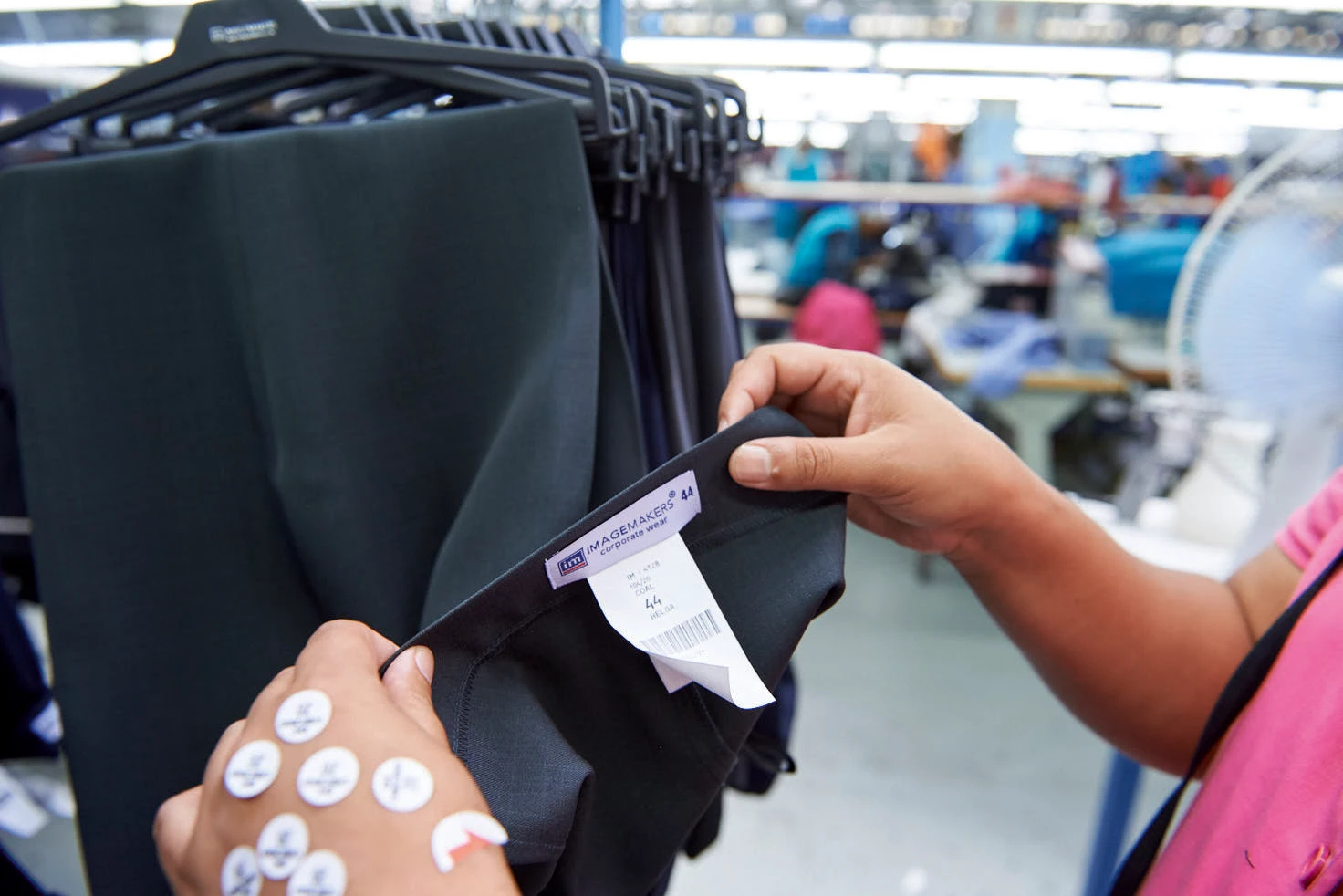
Employees can usually tell very quickly whether workplace clothing has been thoughtfully designed or whether sourced purely because somebody in procurement found a cheaper spreadsheet option. Not cool... in so many ways.
Poor-quality company uniforms often create hidden problems:
• lower confidence,
• reduced comfort,
• inconsistent presentation,
• faster wear and tear,
• higher replacement costs,
• and just constant ongoing frustration around the uniforms.
Whereas good quality corporate wear tends to:
• last longer,
• fit better,
• present better,
• and create a much stronger overall impression.
And employees feel valued and a bit more special if their employees took the time to consult with them and decided that quality was top of the list.
In customer-facing industries where trust and professionalism matter heavily this is super important. Because fairly or unfairly, people do judge businesses visually.
Usually within seconds.
The Future Of Corporate Clothing Is Probably More Human
Ironically, as technology continues changing the workplace, many businesses are becoming more aware of the human side of work again.
People still want:
• confidence,
• belonging,
• identity,
• professionalism,
• comfort,
• and team connection.
And workplace clothing often plays a much bigger role in that than many companies realise. Take a peek at a recent article we wrote here - Will AI Change What We Wear to Work ?
Because whilst a uniform may seem like a fairly small operational decision on paper, the reality is that somebody wears it every single working day.
And when people genuinely feel good in what they wear, it often changes how they:
• interact,
• communicate,
• present themselves,
• and carry confidence into the workplace.
That's why modern corporate clothing is no longer just about consistency.
It's increasingly about people. And we think that's a step in the right direction.
Corporate Clothing FAQs
What is the difference between corporate clothing and uniforms?
Generally, corporate clothing refers to more office-focused professional attire designed around presentation, consistency and professional image, while uniforms can include broader industry-specific clothing such as healthcare, hospitality, security or industrial wear.
In reality though, the two terms are often used interchangeably throughout South Africa.
Why is corporate clothing important for businesses?
Good corporate clothing helps businesses create professionalism, consistency and customer trust. It also helps teams feel more coordinated and can improve employee confidence and presentation in customer-facing environments.
First impressions still matter enormously in business, and workplace clothing often forms part of that perception.
Why are companies changing their approach to team uniforms?
Employee expectations have changed significantly in recent years.
Modern teams increasingly expect:
• comfort,
• flexibility,
• better fits,
• modern styling,
• breathable fabrics,
• and more practical workplace clothing.
Businesses are also becoming more aware that team uniforms can influence confidence, morale and overall workplace culture.
What makes good ladies workwear?
The best ladies workwear usually balances:
• comfort,
• movement,
• professionalism,
• durability,
• confidence,
• and modern fit.
Many businesses are now moving away from overly rigid or outdated office clothing and instead focusing on more wearable and flexible options for women in the workplace.
Why is women’s workwear changing?
Modern workplaces are placing far greater emphasis on practicality, inclusivity and comfort than they did historically.
Many women now expect workplace clothing that:
• feels modern,
• allows movement,
• fits their size and frame,
• works for long days,
• and still maintains a professional appearance.
Hybrid work and changing office culture have accelerated this shift in South Africa.
Do team uniforms improve company culture?
Yes, they do. Well-designed team uniforms can help create:
• consistency,
• belonging,
• professionalism,
• team identity,
• and stronger brand representation and presentation across departments or branches.
When employees genuinely feel comfortable and confident in workplace clothing, it often positively affects how teams interact and present themselves.
What should employees look for in modern corporate wear?
Modern corporate wear increasingly focuses on:
• comfort,
• flexibility,
• professional appearance,
• durability,
• breathable fabrics,
• practical movement,
• and modern styling.
Employees increasingly want workplace clothing that feels realistic for long working days rather than simply looking formal in photographs.
Is comfort becoming more important than formality in workplace clothing?
In many industries, yes.
Most businesses still want employees to look professional, but modern workplace clothing is increasingly moving towards "comfortable professionalism" rather than rigid formality.
That balance is becoming one of the biggest trends in corporate wear right now.